


Nearly 80 percent of Americans planning to move in the next year said that increasing frequency or intensity of natural disasters in the area where they were considering buying a home would make them hesitate to move forward with the purchase, according to a survey by Redfin, a real estate brokerage firm in the North American market. The firm recently started publishing climate risk information for every location page on its website.
Using data from ClimateCheck, each property on the website will have a climate change risk rating from 0—100 associated with the county, city, neighborhood, and zip code of the property. The score indicates level of climate risk from fire, heat, drought, and storm over a 30-year period. The rating is based on an area’s future risk and the rate of change, using a worst-case scenario for projected atmospheric carbon dioxide levels. The data is currently available for the contiguous United States, covering a total of 94 million homes.
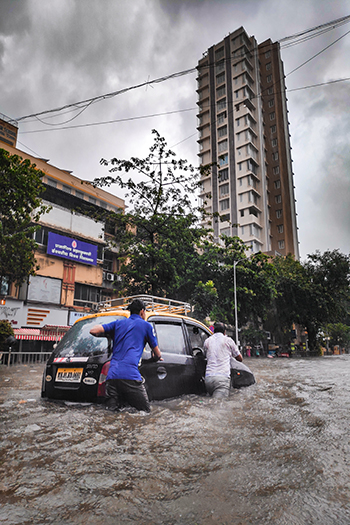
As the climate continues to change, the severity of risk exposure is increasing around the world. Recent research published in the journal Nature found that the number of people living in flood-prone areas increased from an estimated 58 million to 86 million from 2000 to 2015. According to Bloomberg CityLab, this is 10 times higher than traditional models which account for elevation but not urban development and global migration.
In addition to larger rainfall events and increased populations, the risk of flood was also driven by failing urban infrastructure which can not cope with the volume of water.
For more on this story, go to Redfin and Bloomberg CityLab.