


Vertical urbanism explores how tall buildings provide three-dimensional solutions to the most pressing challenges confronting cities today.
What is vertical urbanism?
Developed in response to rising urbanization, increasing global populations, and the heightened effects of climate change, vertical urbanism champions the responsible densification of cities. Weaving together policy, design, engineering, infrastructure, and ecology, it promotes actionable and effective methods for realizing smart vertical growth in sustainable, resilient, and healthy urban environments.
Population density in cities will be one of the defining issues of the 21st century.
43% 56% 68%
Urban population
15 33 43
Megacities
228 578 750
Metropolises
2.3 billion 4.4 billion 6.7 billion
City dwellers
39 194 350+
Cities with a 200 m+ building
The Council on Vertical Urbanism
Our vision aspires to recognize and promote exceptional contributions in the realm of tall buildings and urban environments, with a deliberate emphasis on sustainability, livability, innovation, and improved well-being.
We aim to deliver a nuanced perspective on architecture, urban spaces, transportation, community and cultural hubs, and other elements of the built environment, activating overarching enhancements for everyone.

The pillars of vertical urbanism
To meet the challenges of tomorrow, cities must embrace these key tenets.
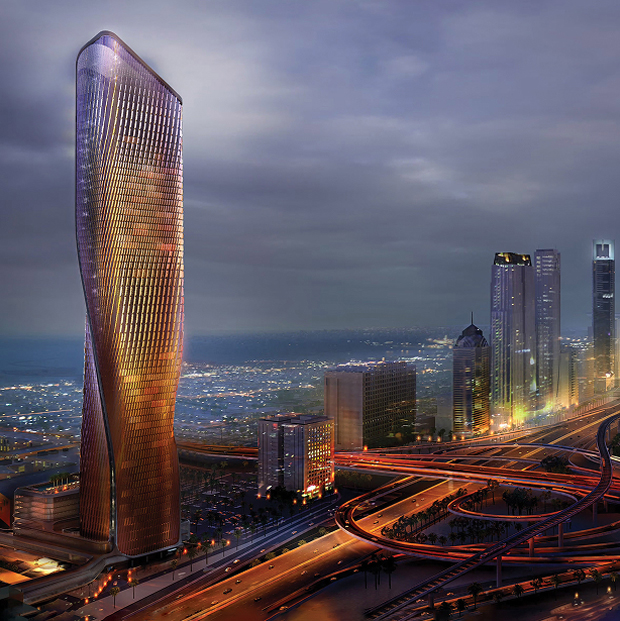
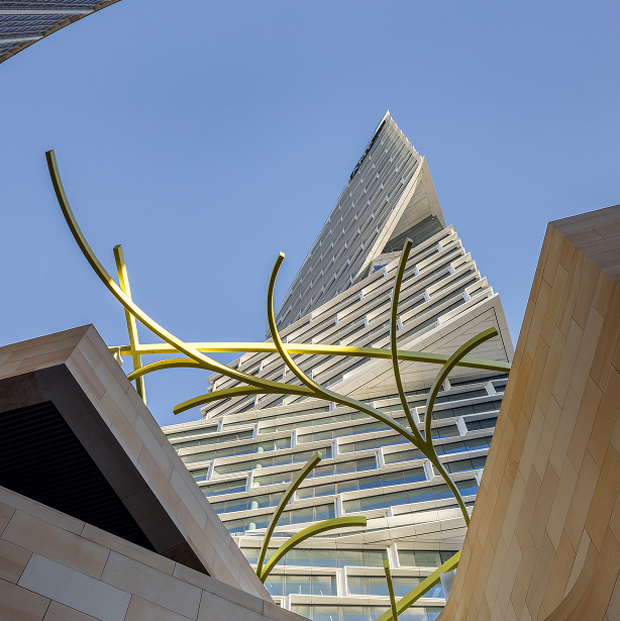
In stark contrast to the outward, concentric growth of cities over millennia, verticality aspires to a new urban paradigm—one that redefines space and utility through height, density, and multi-dimensionality.
Layered
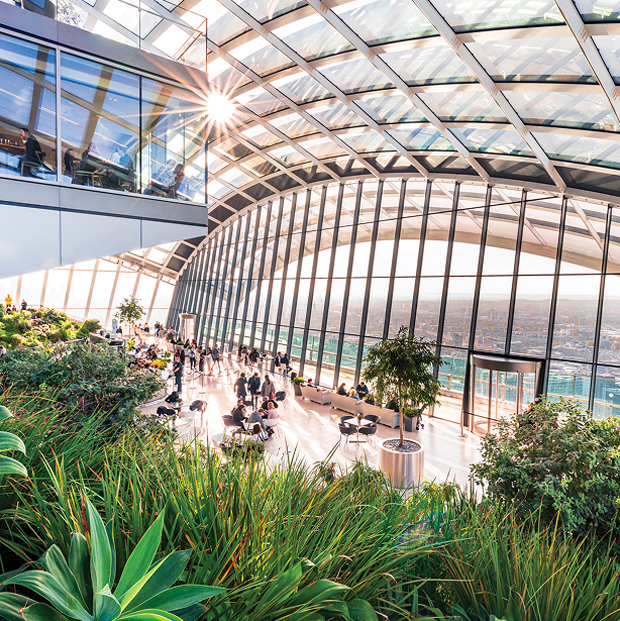
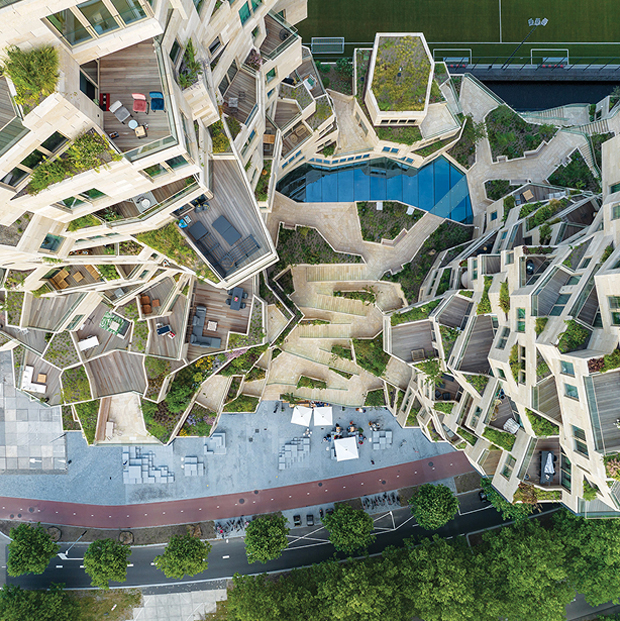
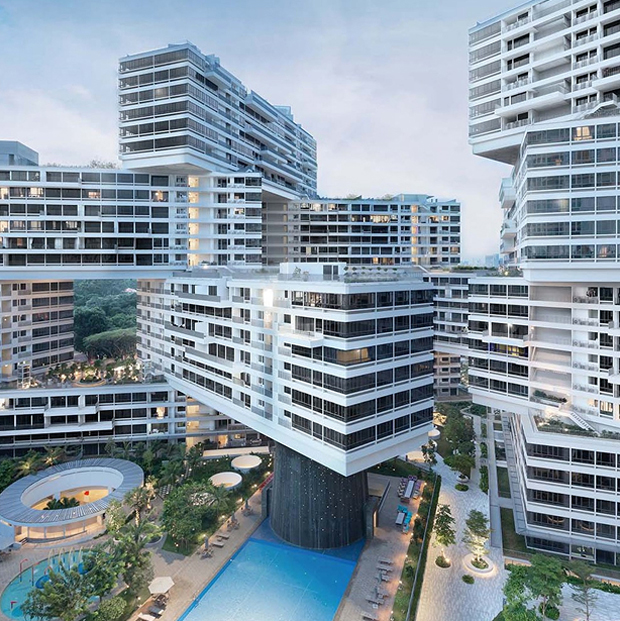
Integrating housing and offices—as well as green spaces, public amenities, and cultural infrastructure—throughout a tall building’s height.
Connected
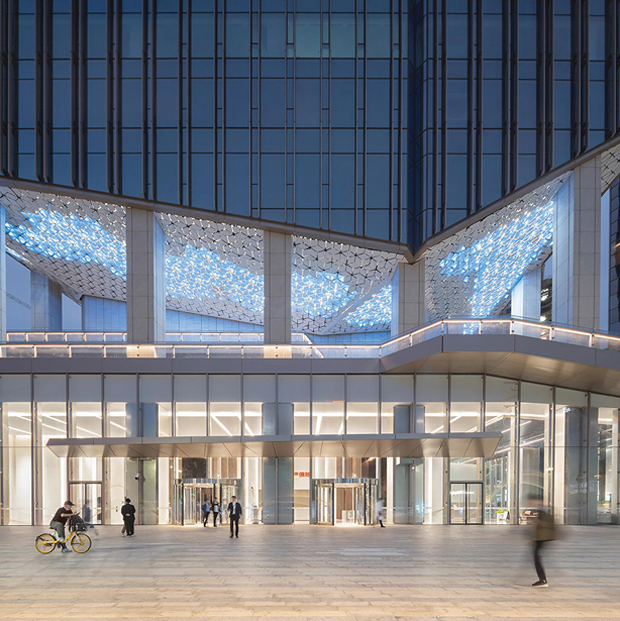
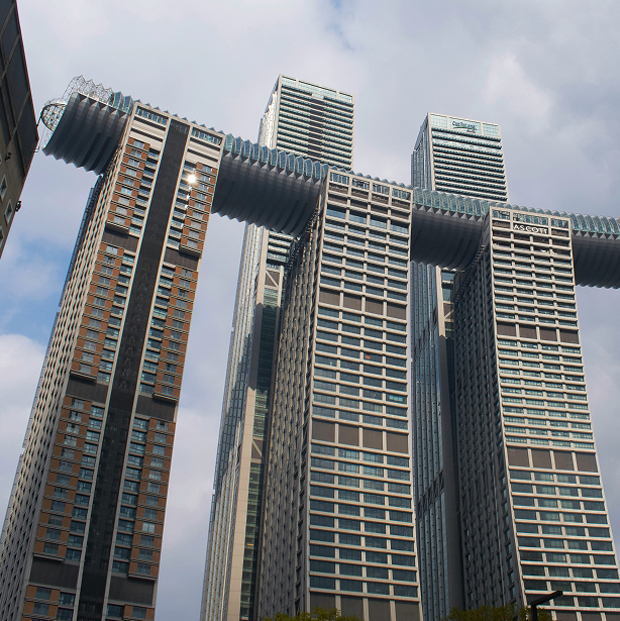
Enabling new forms of mobility such as skybridges, pedways, and integrated vertical transit systems, which create opportunities for community interaction at multiple levels—not just the ground plane.
Sustainability engenders an authentic, measurable commitment to meaningful change—one that restores and enriches the natural and social systems people depend on.
Responsible
Using materials that are recycled, reusable, and locally sourced, while encouraging construction methods that reduce embodied carbon.
Natural
Relying on substances and processes derived from the natural world.
Regenerative
Creating structures that produce more than they consume by utilizing green roofs, vertical forests, renewable energy sources, and other circular systems.
Livability demonstrates how built environments, adhering to strategies for responsible density, can respond intelligently to a growing global population and their increasing concentration in cities while enhancing everyday life.
Multi-faceted
Delivering essential amenities such as schools, markets, health services, and recreational areas, all within walking distance.
Inclusive
Fostering a sense of community through shared spaces such as rooftop gardens, communal terraces, and vertical courtyards.
Enjoyable
Emphasizing and embedding opportunities for rest and rejuvenation, cultural expressiveness, efficient mobility and intuitive wayfinding into the built environment.
Biophilic
Providing access to natural light, fresh air, green spaces, and expansive views.
Innovation enables cities to grow upward creatively and efficiently, informed by deep technical expertise and bold thought leadership.
Inventive
Embracing emerging technologies such as smart building systems, AI-driven infrastructure management, digital modeling, and experimental materials.
Resilient
Mitigating climate-related risks such as heatwaves, flooding, and earthquakes, using features like passive cooling, decentralized energy systems, and structural redundancies.
Flexible
Designing buildings and urban systems that can accommodate long-term shifts in demographics, technologies, and usage patterns without requiring wholesale redevelopment.
Holistic
Reimagining the systems around buildings, from regulatory frameworks and governance models to financing structures, laying the groundwork for future-ready urban transformation.
Spotlight
3 Nov 2023 | Sydney
CTBUH Names 2023 Best Tall Building Worldwide
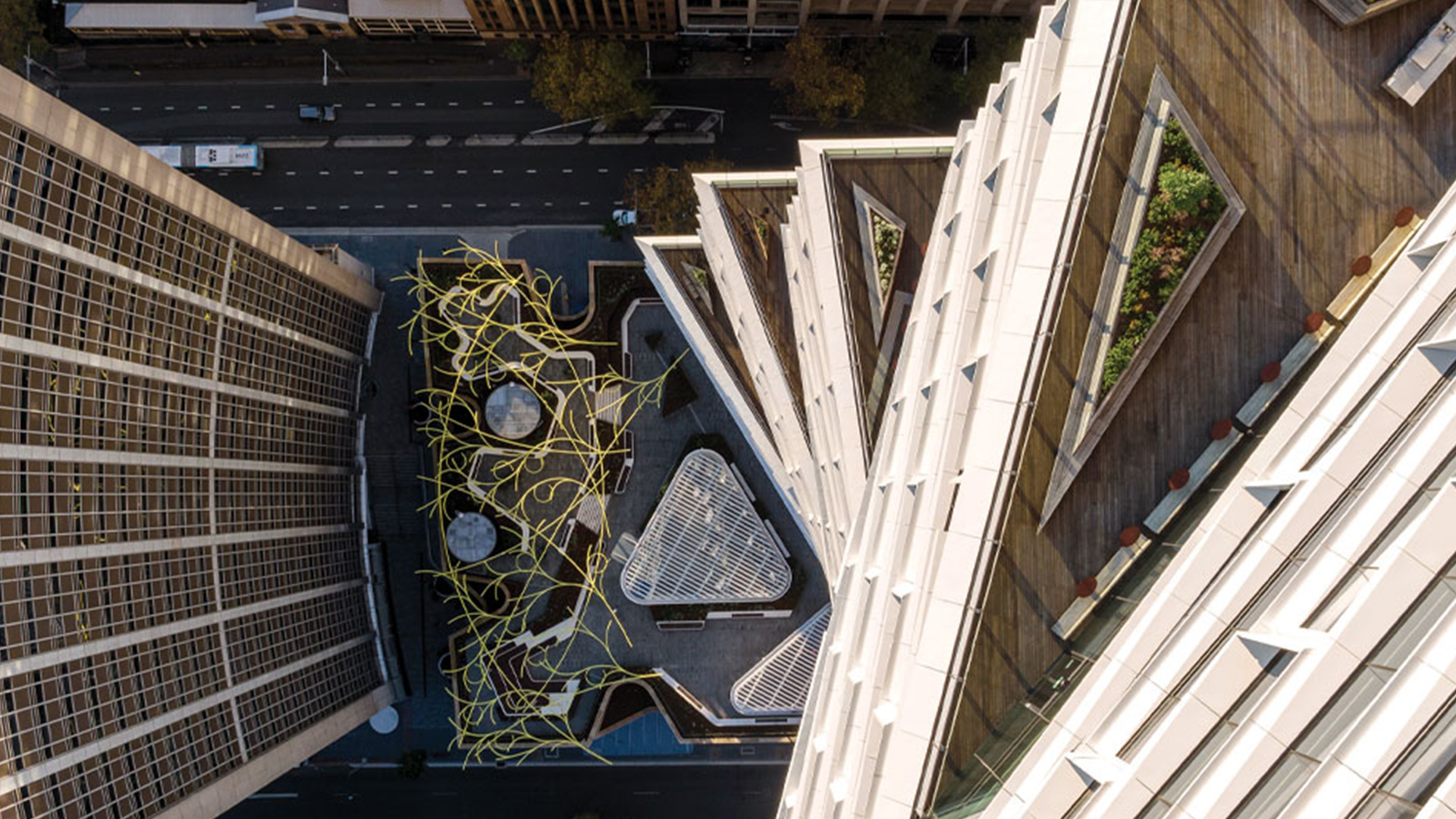
On 18 October, CTBUH announced the winner of its annual award for the 2023 Best Tall Building Worldwide as Quay Quarter Tower, in Sydney. Winners were also announced in five regional categories, five…
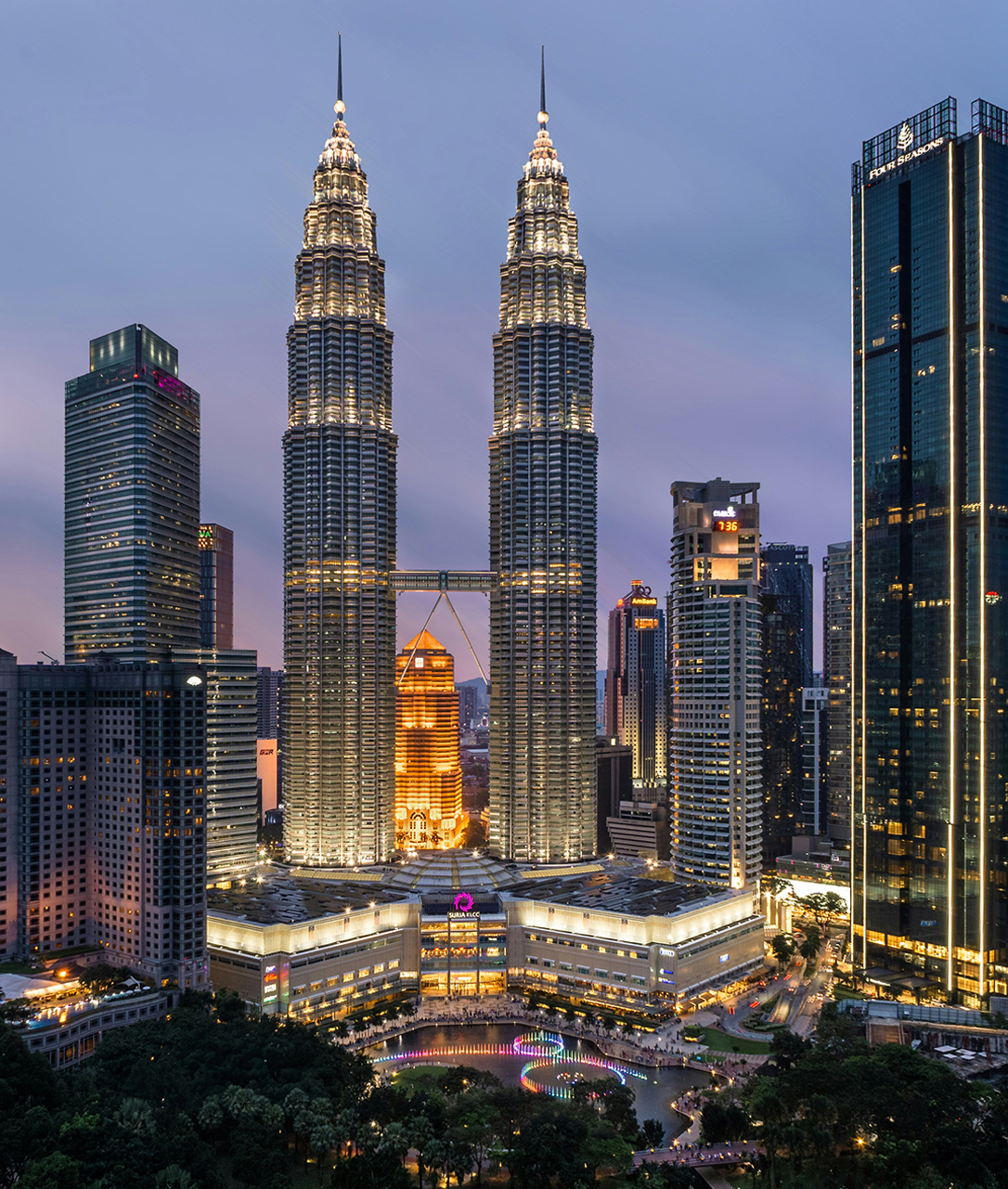
Become a champion of vertical urbanism
Join the Council on Vertical Urbanism to shape the future of urban living. Collaborate with leaders in vertical urbanism and sustainable development.
Membership benefits
Access exclusive resources, networking opportunities, and industry insights from the global leader in urban sustainability, resilience, and innovation.
Become a member
Partnership opportunities
Collaborate with us to drive meaningful change in urban environments worldwide.
Become a partner
You have added this page to your collection.
You can view or share your full collection.