


A legacy built one story at a time.
The Council on Vertical Urbanism was founded on one simple principle: shaping the future of rising cities requires deep collaboration—across disciplines, geographies, and time itself.

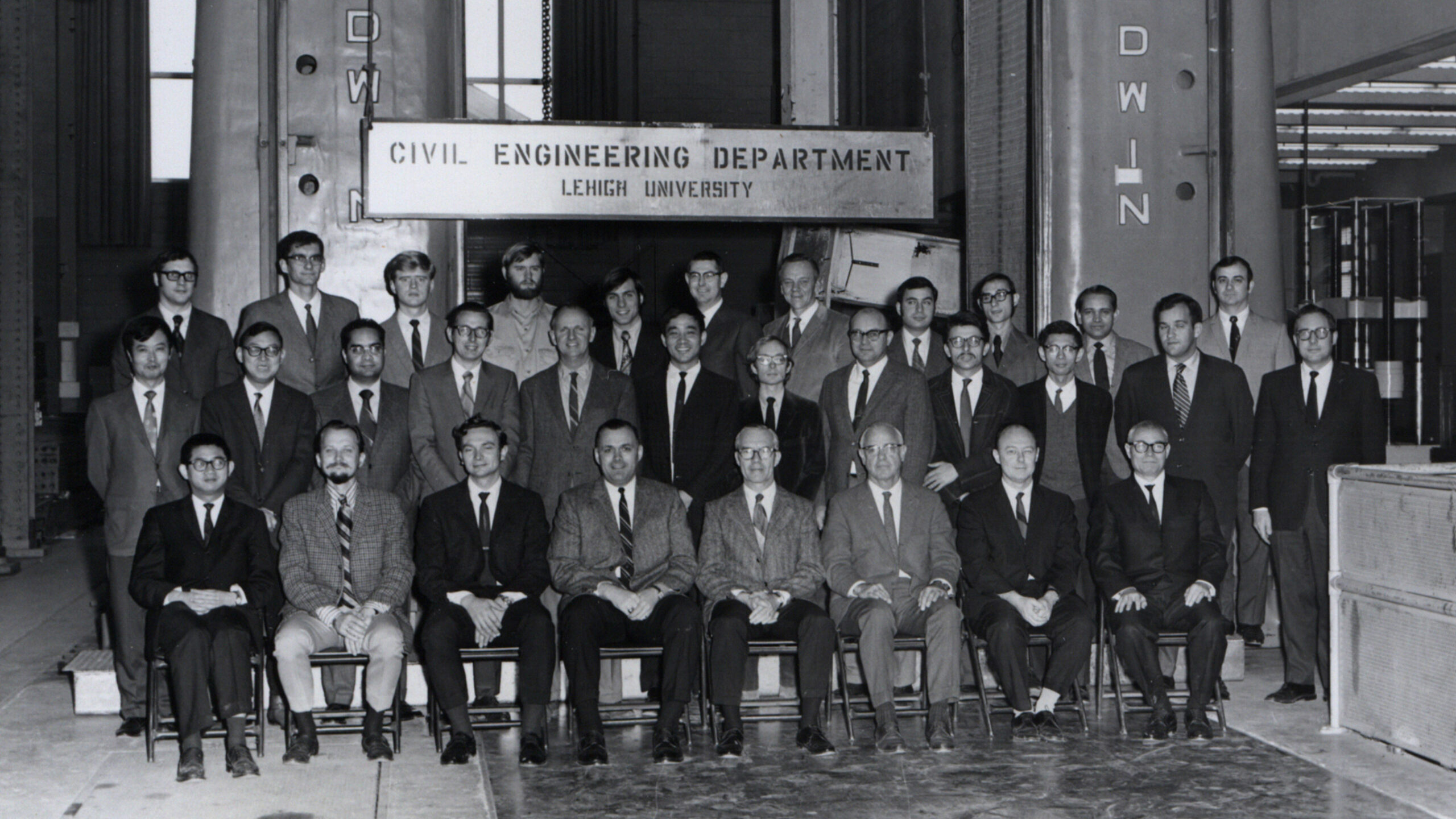
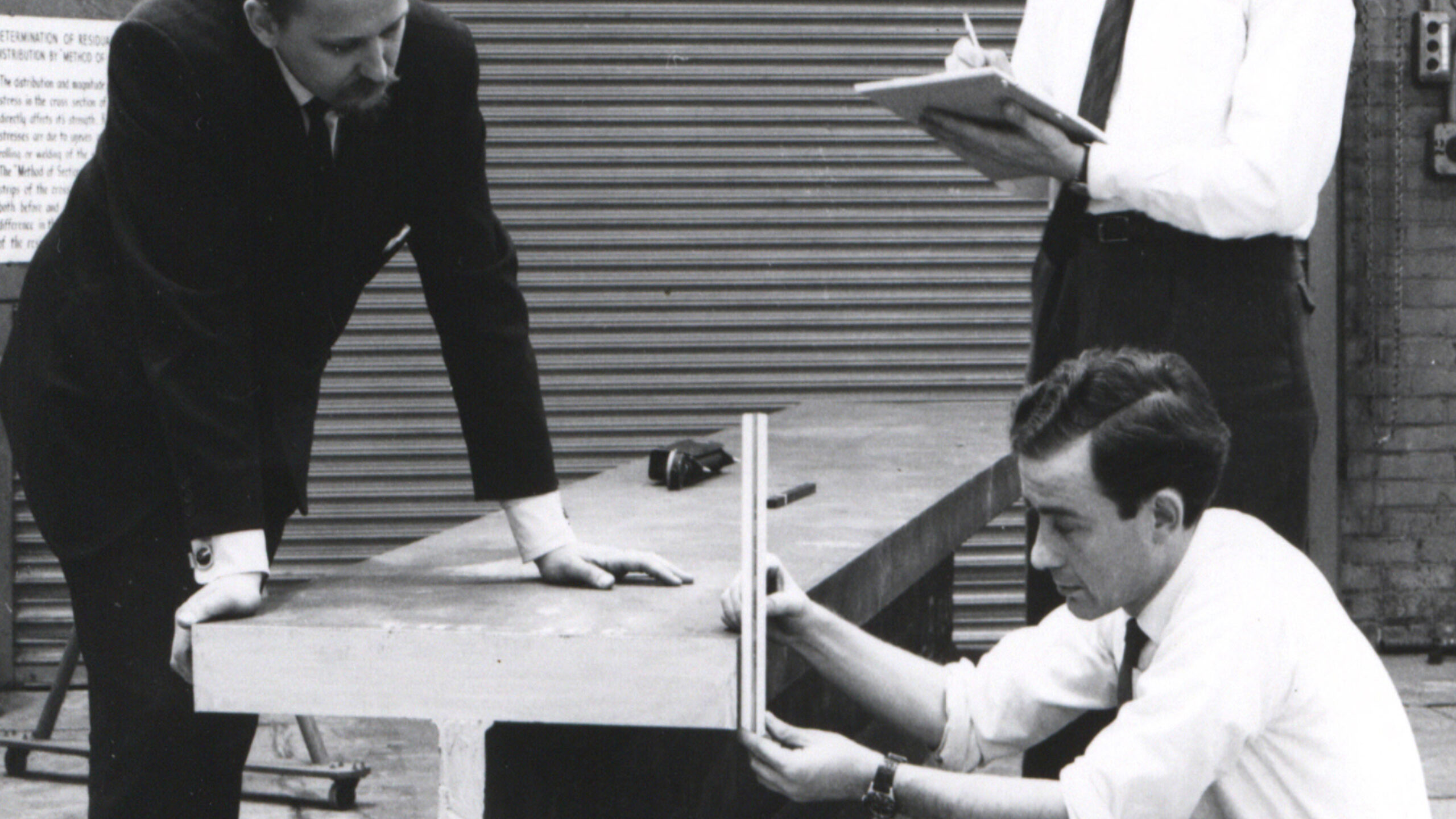
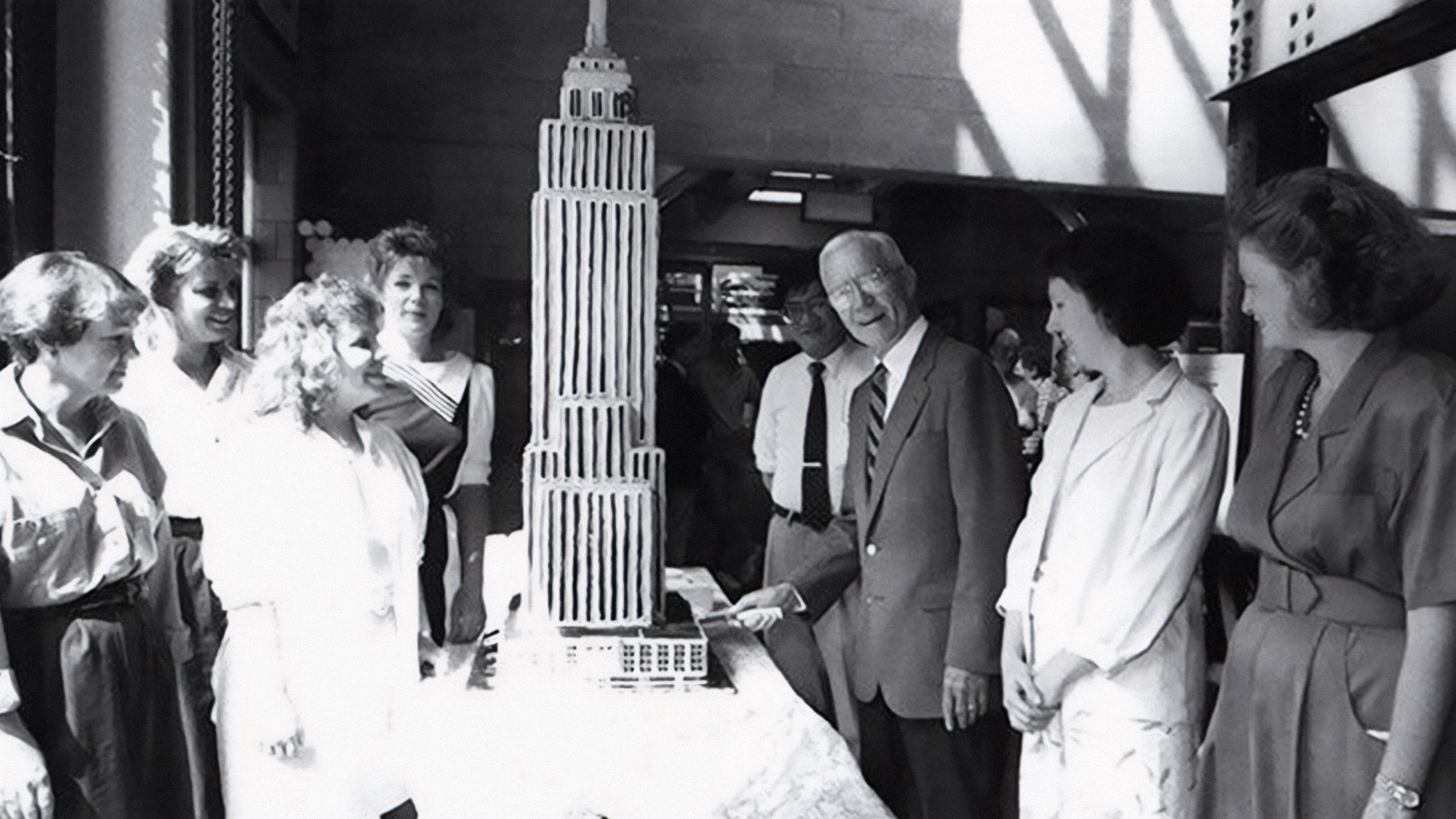
From the Tower of Babel to the Burj Khalifa, history shows that building upward has always required more than ambition and resources—it has demanded coordination across entire societies.
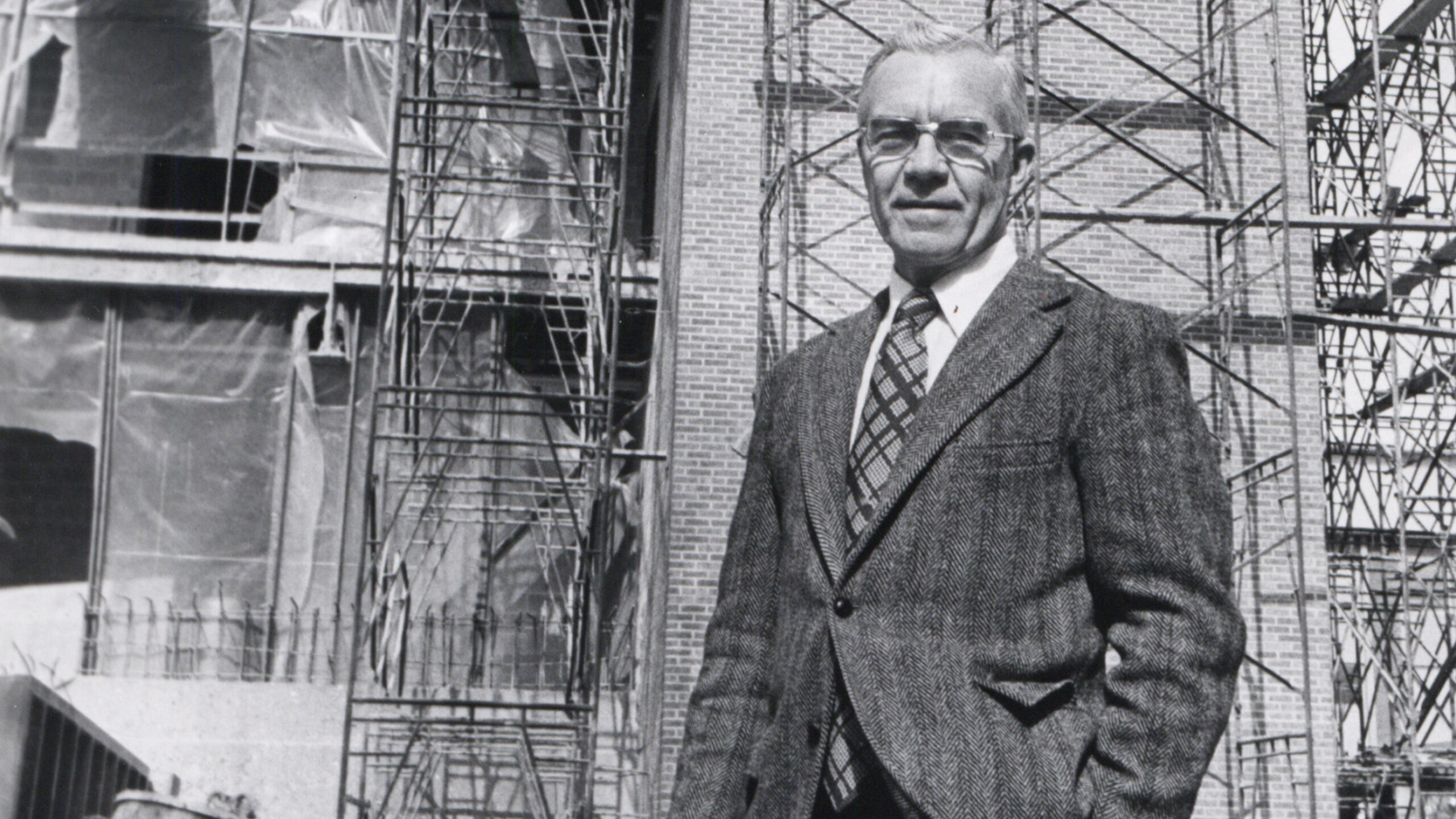
In 1968, our founder was listening to a lecture on tall building research at an industry conference when he was struck by a similar realization:
“The research was not being coordinated or evaluated in a form useful to the designer. It spoke of the need for an international effort to bring information together.”
Dr. Lynn S. Beedle
Structural engineer
In 1969, Dr. Beedle established the Joint Committee on Tall Buildings at Lehigh University, in Pennsylvania, with a mission to coordinate research and share knowledge across professionals worldwide. This organization would eventually become the Council on Tall Buildings and Urban Habitat, which today is recognized globally as the Council on Vertical Urbanism.



How we define a “tall building”
The Council on Vertical Urbanism not only compiles original and authoritative data on the world’s tallest structures—we define them. We set the standard for measuring height and determining building classifications, which professionals across the globe have come to rely on.
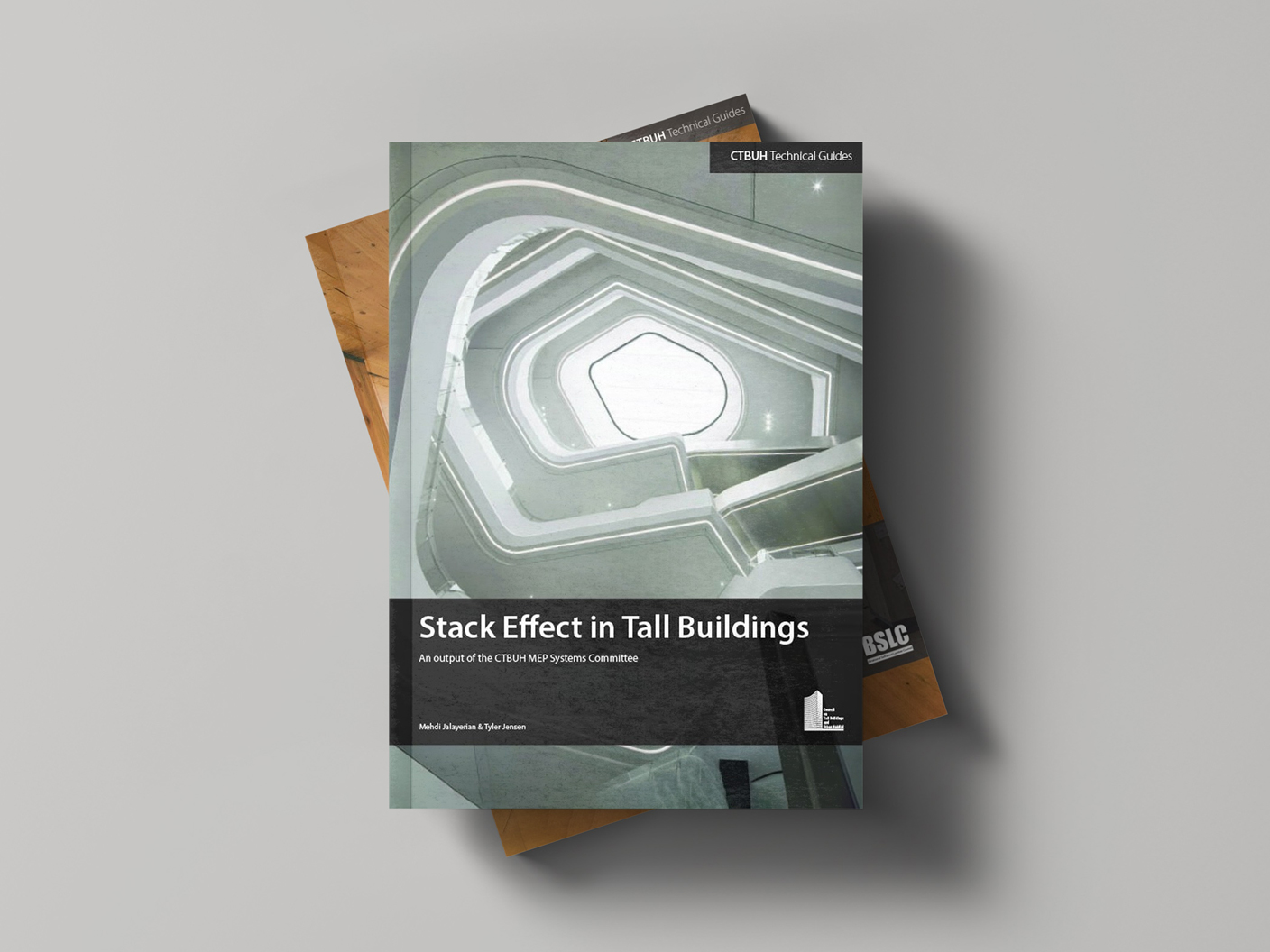
Height categories
To ensure transparent ratings, our height committee distinguishes between multiple height metrics: architectural height (including spires), highest occupied floor, roof height, and tip (including antennas).

Classes
We classify tall buildings into three categories: tall (>100m), supertall (>300m), and megatall (>600m)
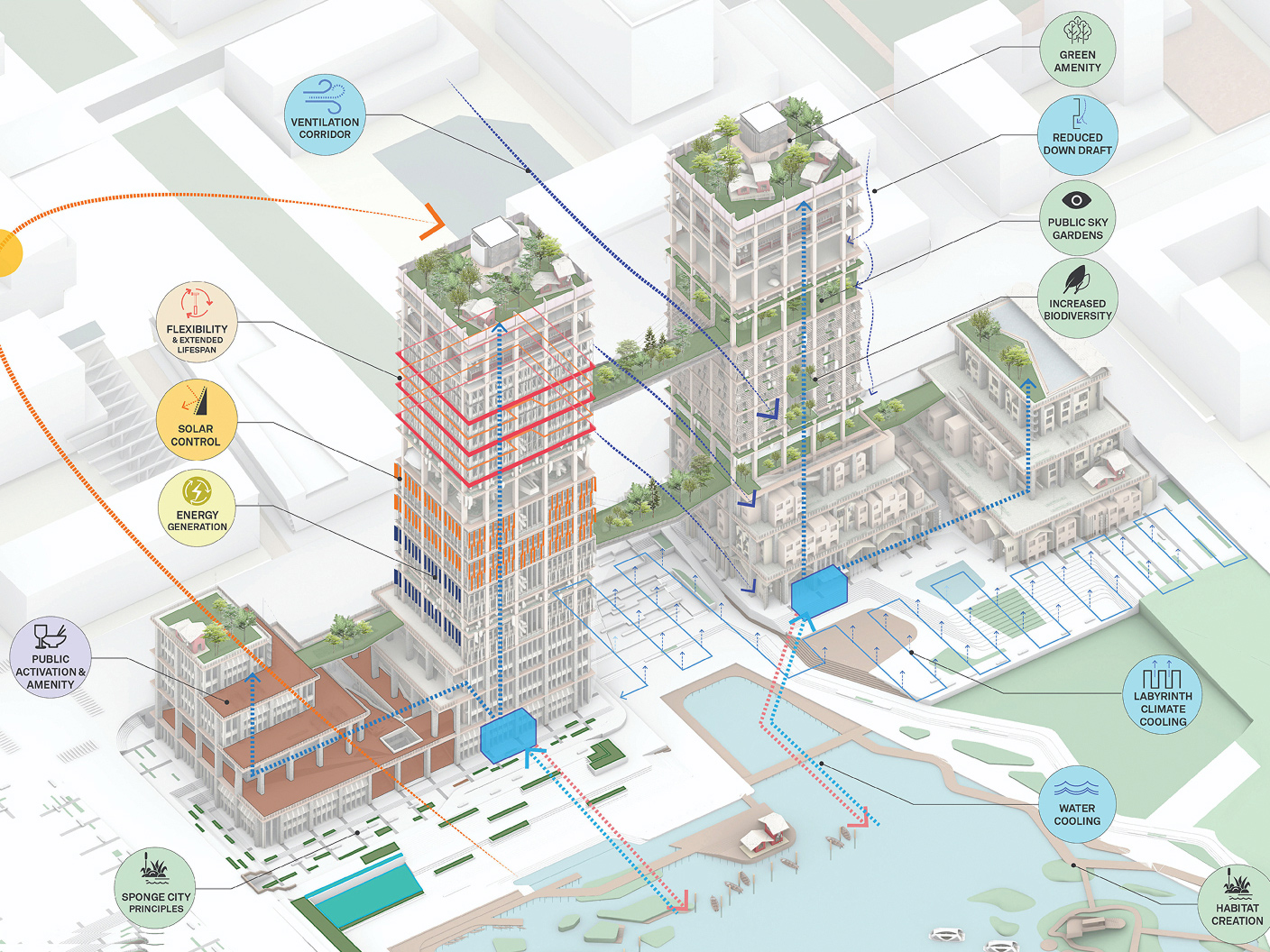
Measurement principles
From the early Chicago skyscrapers to modern megatalls, we have refined the criteria for what counts as a measuring point, e.g., flagpoles excluded, architectural elements included.
You have added this page to your collection.
You can view or share your full collection.