


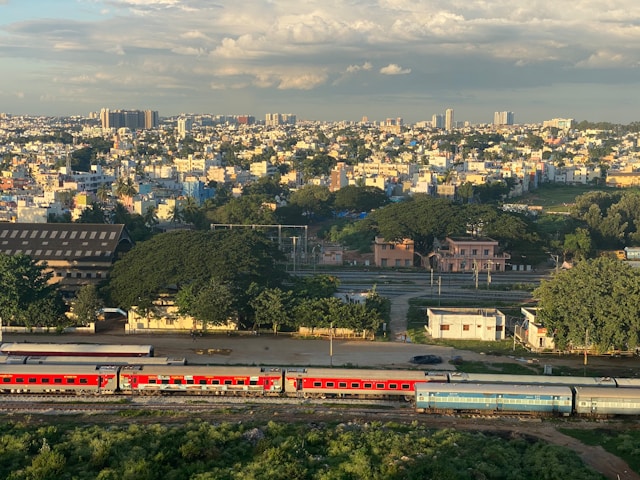
The government of the Indian state of Karnataka has proposed a series of amendments to Bengaluru’s planning regulations that could encourage denser urban development and support transit-oriented growth across the city.
The proposed revisions to the zoning regulations of Bengaluru’s Revised Master Plan would increase the height threshold used to classify high-rise buildings from 15 meters to 21 meters within the Greater Bengaluru Authority area. The changes would also permit high-rise construction on roads with a minimum width of 12 meters and raise allowable floor-to-floor heights from 3.5 meters to 4.5 meters.
Supporters of the proposal argue that the revisions will provide greater flexibility for both developers and property owners while improving building performance. Taller floor heights can enhance natural ventilation, daylight access, and thermal comfort, particularly in Bengaluru’s rapidly densifying urban neighborhoods.
Urban planners view the proposal as part of a broader effort to shift the city away from its long-standing pattern of outward expansion. According to urban development experts, increasing allowable density within the existing urban footprint could help Bengaluru make more efficient use of infrastructure while reducing pressure for continued sprawl.
Particular attention is being placed on development along the city’s expanding metro network. Higher residential densities near transit stations are expected to strengthen ridership, improve the efficiency of public transport investments, and support more walkable urban environments. Concentrating growth around mass transit corridors is increasingly viewed as a critical strategy for reducing dependence on private vehicles while accommodating population growth.
The proposed reforms reflect a challenge facing many rapidly growing cities: how to balance density, mobility, and quality of life within constrained urban areas. The changes represent a policy shift toward more compact development patterns and greater integration between land-use planning and public transportation infrastructure.
Read more at The Hindu.