


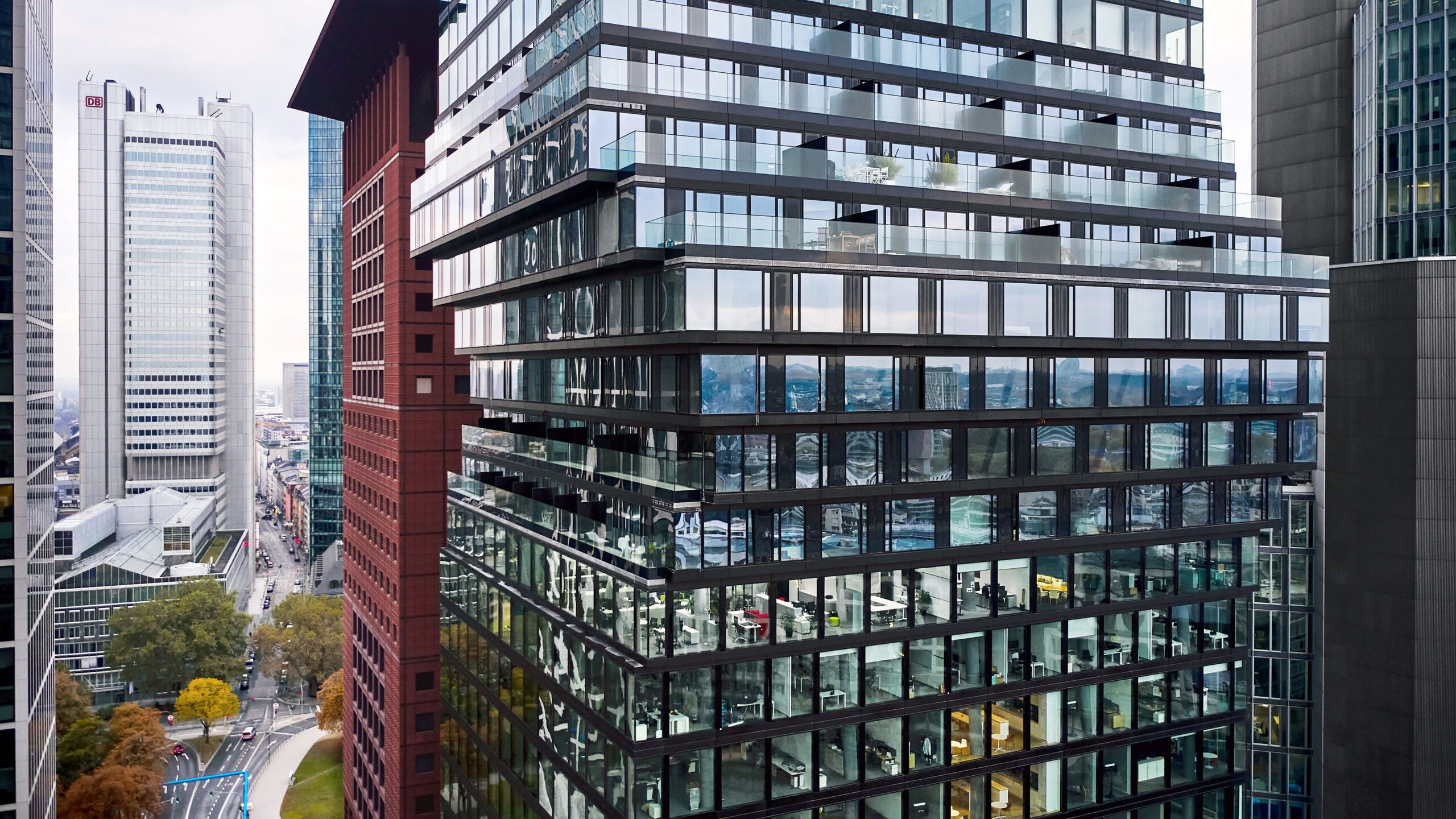
Many cities are currently facing high office vacancy rates, while simultaneously contending with significant housing shortages, particularly affecting low- and middle-income households. This trend has been intensified by the widespread adoption of remote working policies by companies.
As a result, tall building design and construction have evolved to become more adaptable and flexible, seeking to accommodate the new functions that are demanded by regional markets. New, functionally flexible buildings can help adapt to the current market and alleviate disparities in both living and working space, but additional considerations must be made for the existing building stock.
Many existing buildings are single-function office buildings and are not suitable for the programmatic demands of a modern city. With that said, demolitions of buildings of this height are extremely unusual and can have major impact on the surrounding landscape and adjacent buildings. This, combined with the carbon impact of producing new building materials, makes demolition of outdated buildings for new construction unsustainable and unrealistic. Through building renovations and retrofits, and the implementation of technologies such as Schindler MetaCore, outdated tall buildings can be repositioned in the market to address modern programmatic demands.
