


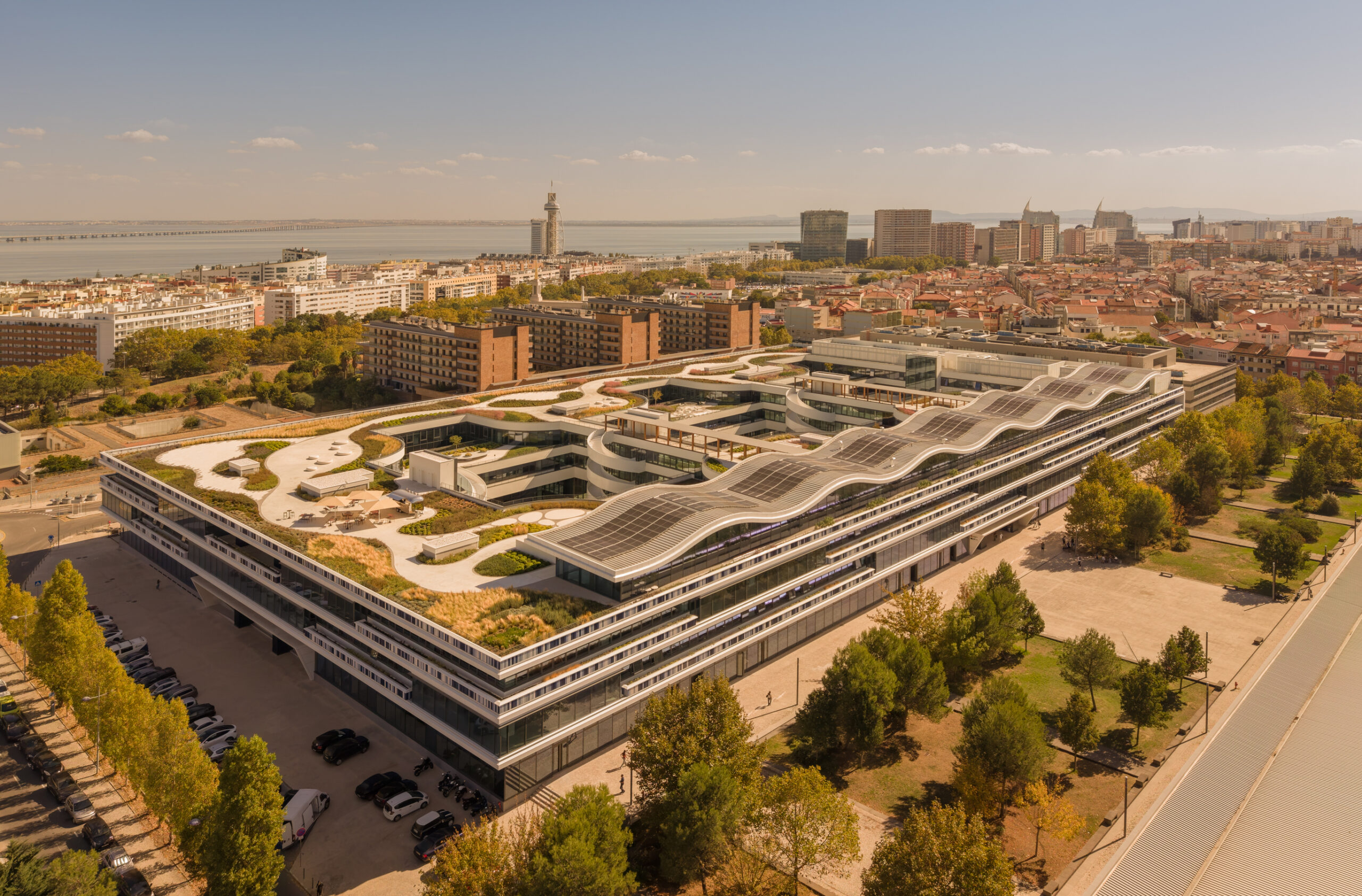
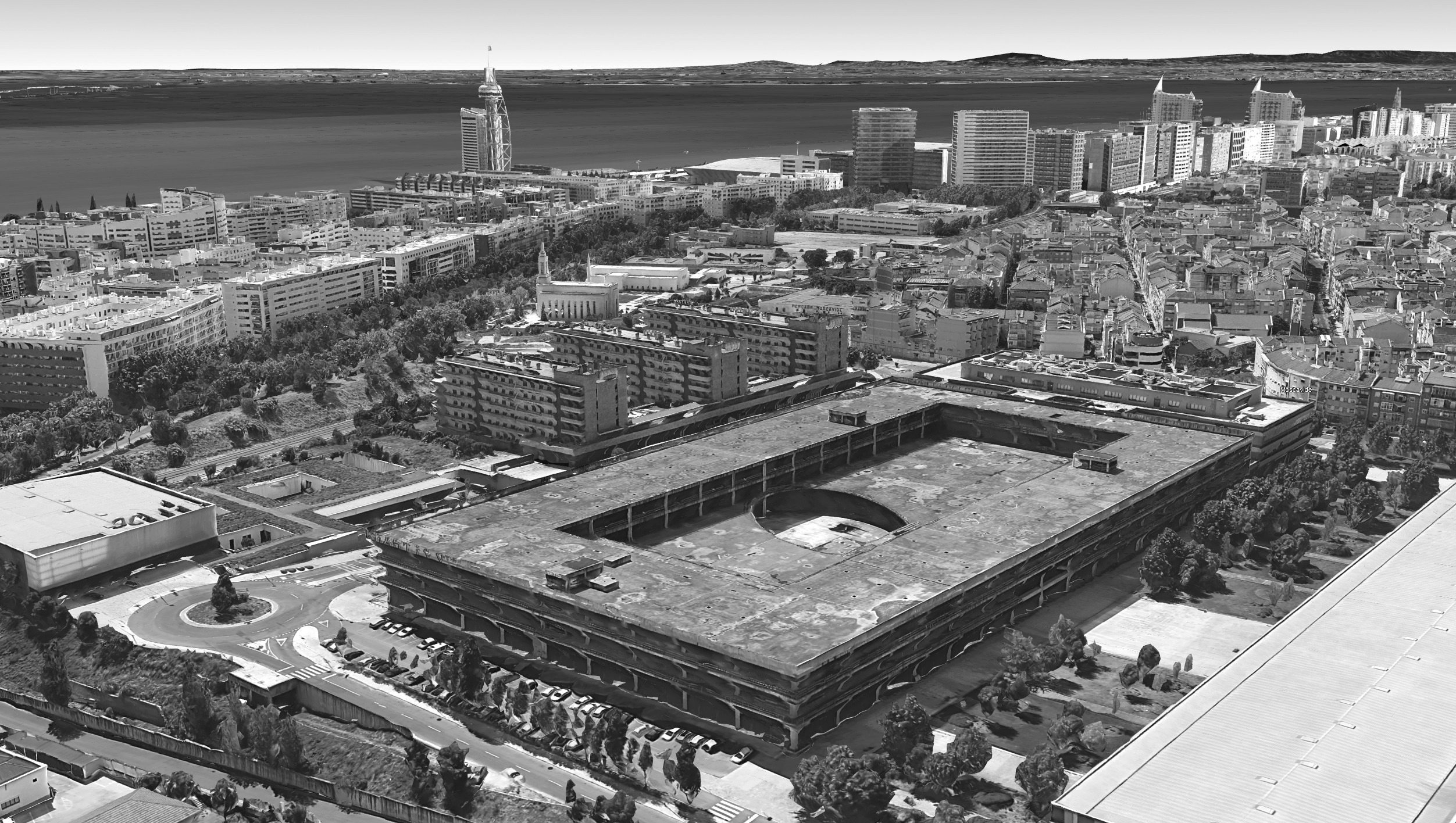
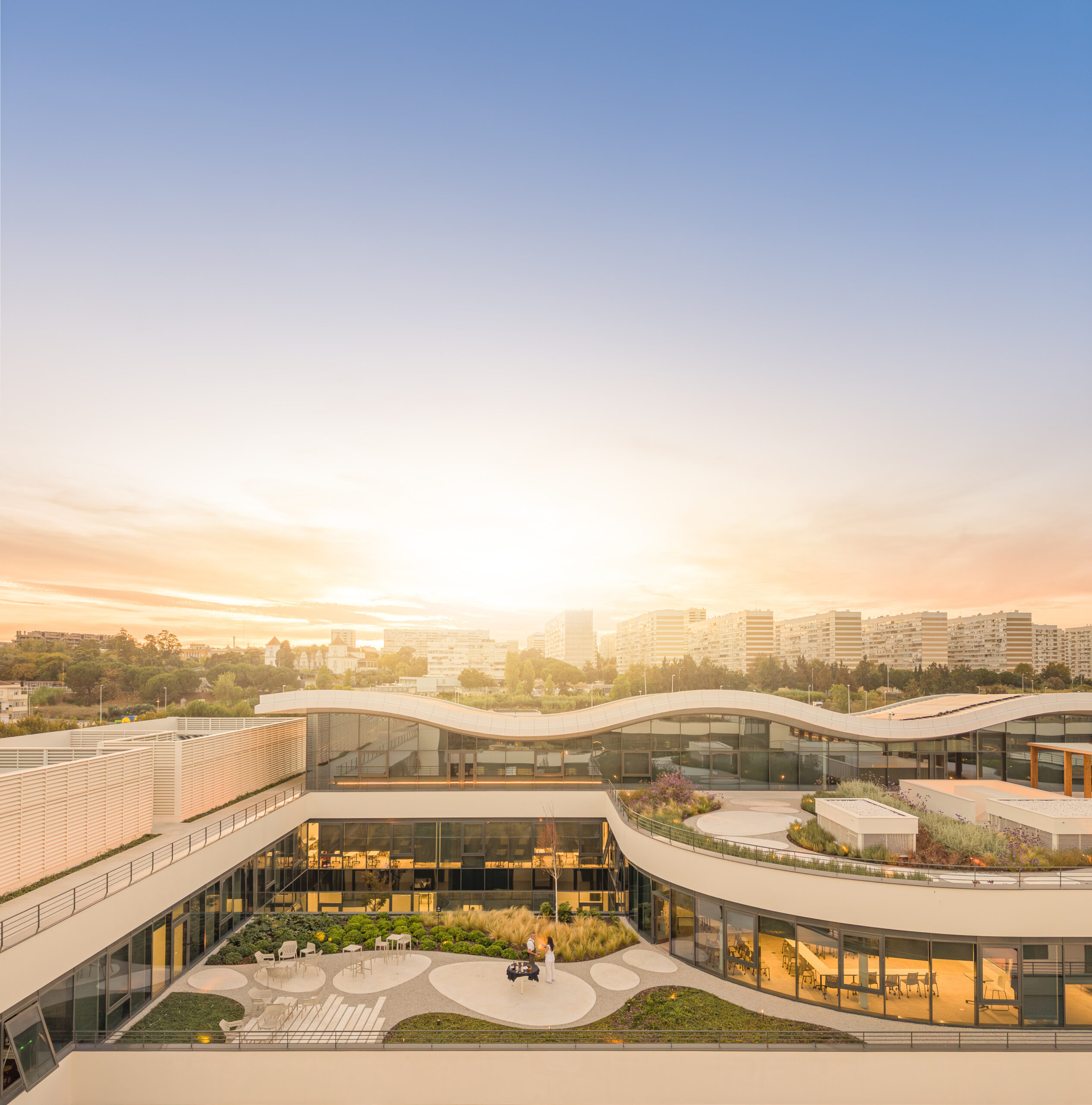
The Oriente Green Campus project in Lisbon reflects a growing shift in how cities confront the environmental and social consequences of unfinished urban growth. Designed by Kohn Pedersen Fox Associates (KPF) in collaboration with Saraiva + Associados (S+A), the project transforms a stalled shopping mall development in Parque das Nações into a low-carbon innovation campus that prioritizes adaptability, wellbeing, and public life.
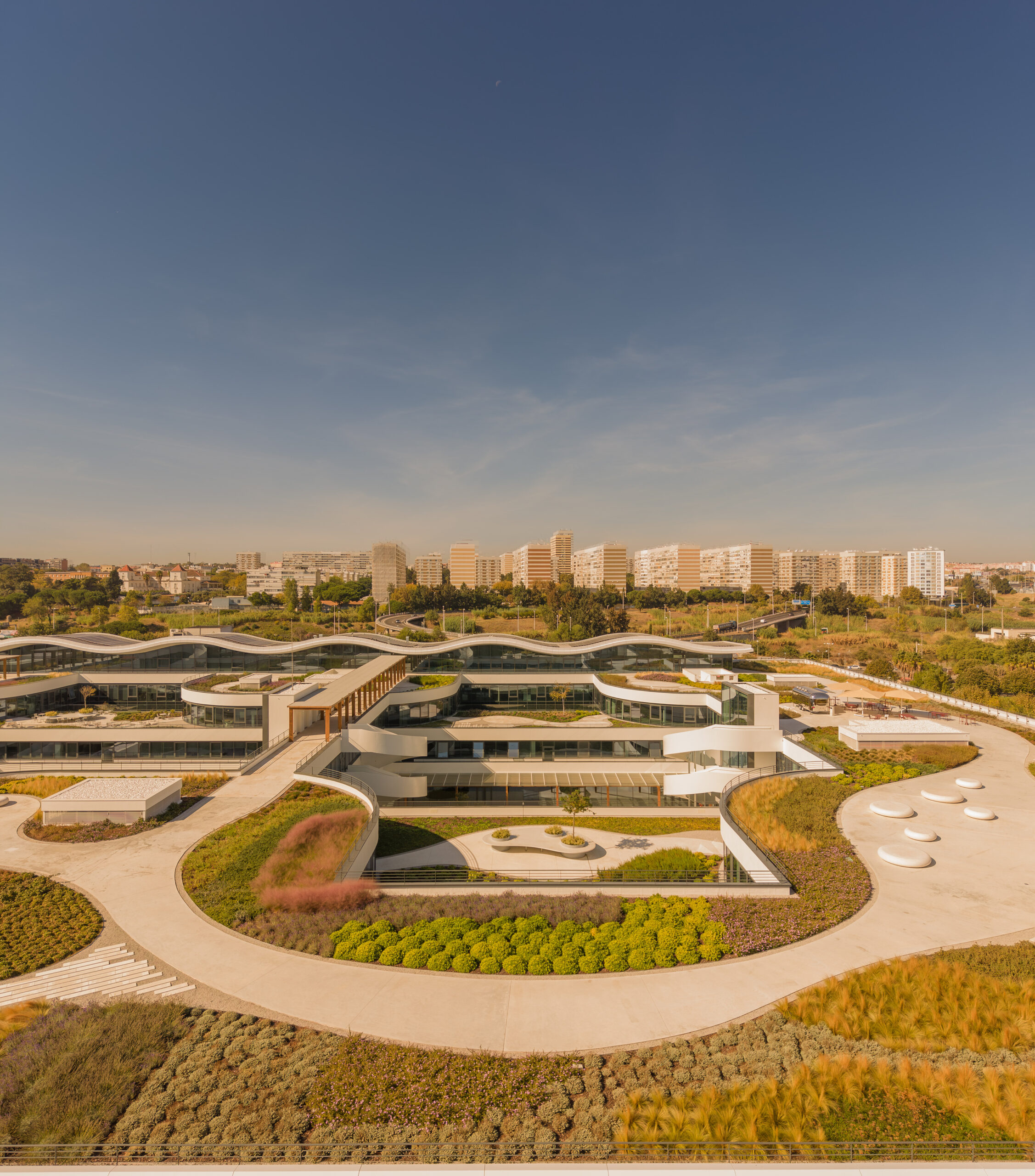
Originally abandoned after construction stalled in 2012, the unfinished retail structure stood as a visible reminder of economic interruption and unrealized urban ambition. Rather than demolish the building and begin again, the design team chose to work with what already existed, retaining approximately 91 percent of the original structure. Significantly reducing the embodied carbon associated with new construction, the project provides approximately 42,000 square meters of interior space and 19,000 square meters of landscaped outdoor areas, the former retail floorplates were reorganized around a series of courtyards that introduce natural light, ventilation, and outdoor connections into the workplace environment. Tenants include Richemont, Piaget, and Universidade Europeia, whose late-stage occupancy highlighted the project’s flexibility.
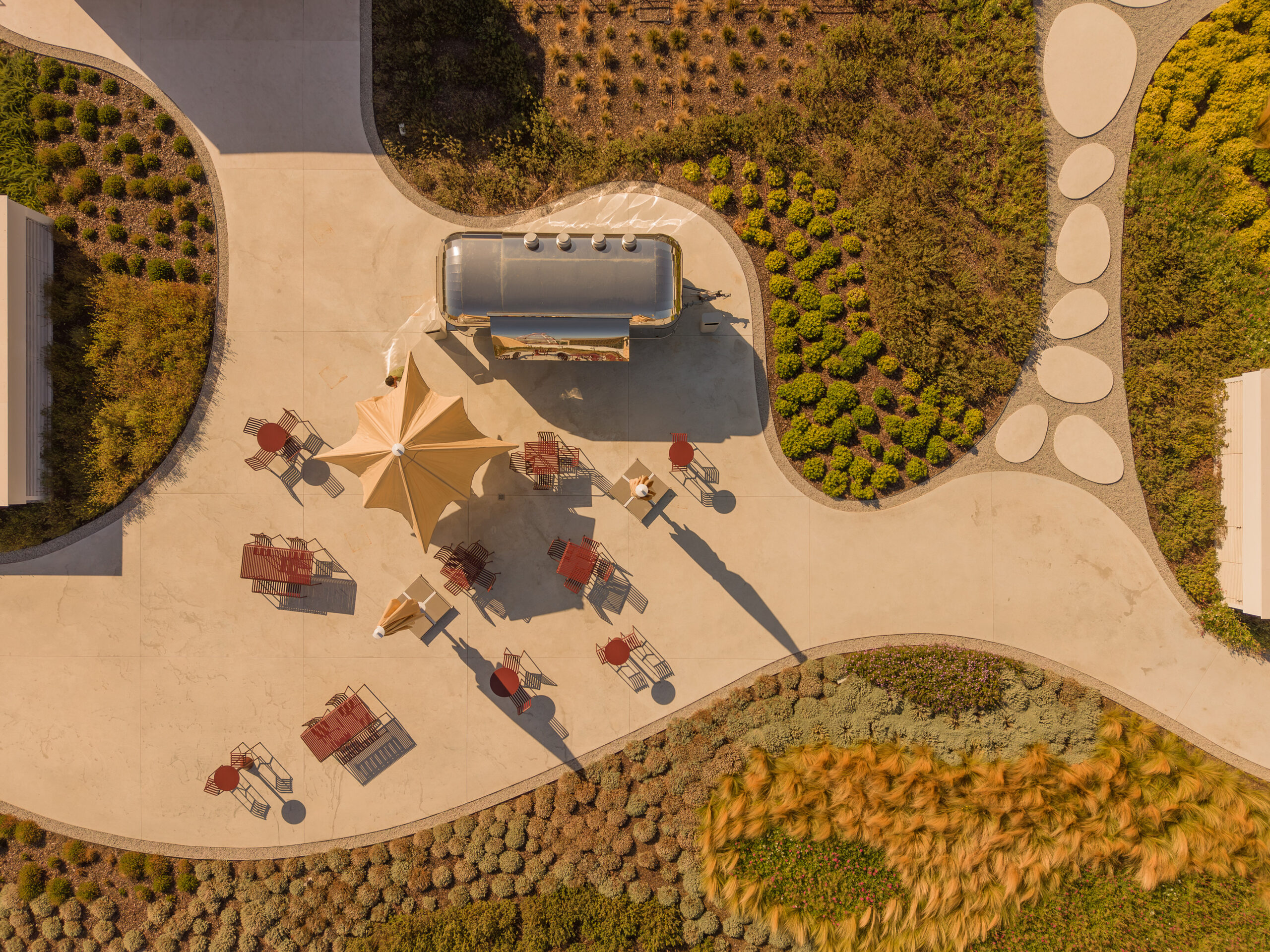
Landscape design plays a central role in redefining the experience of the campus. Spanning approximately 3.7 hectares, the terraces and rooftop spaces integrate native vegetation, co-working gardens, sky walks, gathering spaces, and outdoor event areas overlooking the Tagus River. The extensive greenery softens what was once an inert concrete structure, creating a workplace environment that emphasizes restoration as much as productivity.
According to project modeling, retaining the existing concrete frame reduced upfront embodied carbon by 58 percent compared to an equivalent new-build development. Additional sustainability measures include photovoltaic panels, optimized insulation, passive solar control, and an integrated building management system. Oriente Green Campus has achieved both LEED Platinum and WELL Platinum certification, becoming Lisbon’s first project to receive both distinctions.
At a time when many cities continue to grapple with vacancy, stalled development, and the carbon cost of construction, Oriente Green Campus offers a compelling alternative to demolition-led growth. The project demonstrates how unfinished or obsolete structures can be reimagined as productive civic assets—spaces that not only reduce environmental impact but also restore social and urban value to the communities around them. While it may not be the tallest building, it resonant with the tenants of vertical urbanism in how it reuses structure and supports sustainable urbanism.
Read more at Dezeen.