


SOM Studio: Emerging Technologies in Tall Buildings
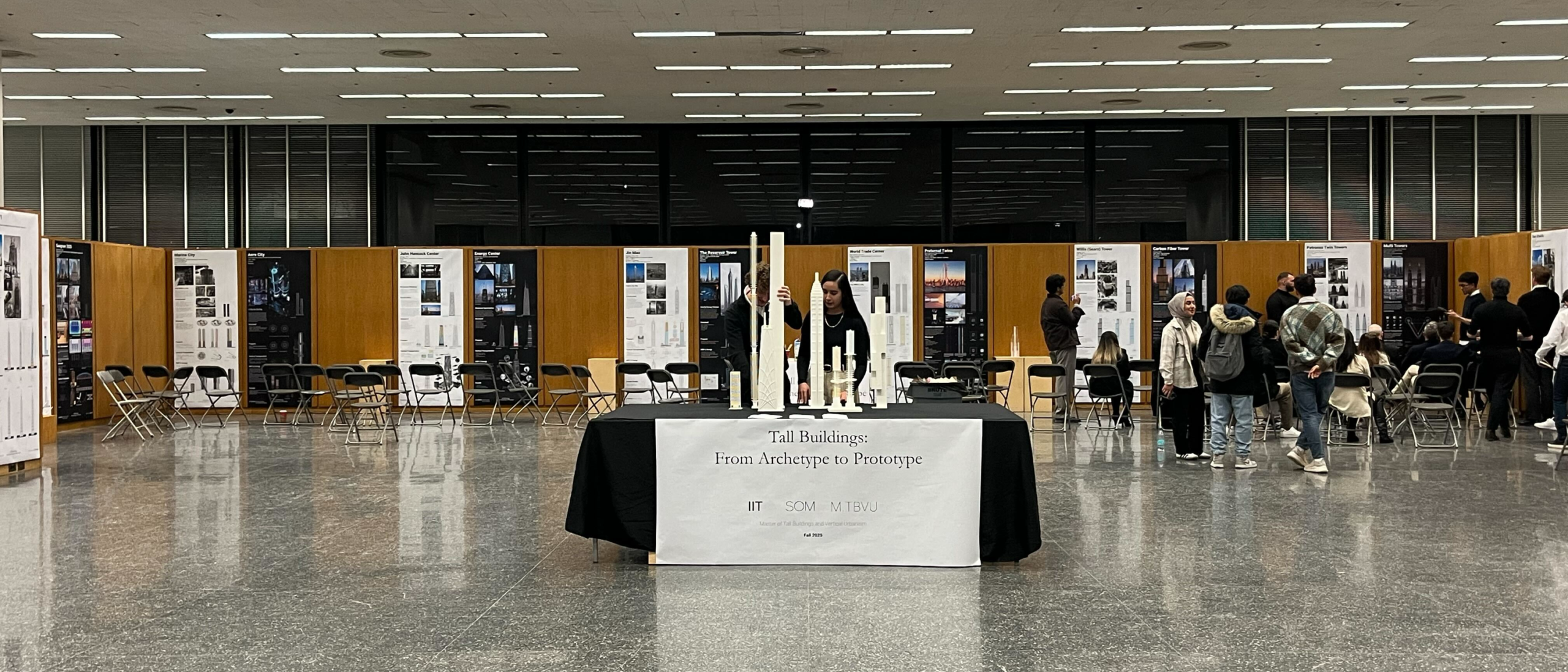
The Fall 2025 semester of the Masters of Tall Buildings and Vertical Urbanism (MTBVU) program brought together students, faculty, and industry professionals to explore ideas shaping the future of tall buildings. A central component of the semester was the SOM-led design studio, “Tall Buildings: From Archetype to Prototype,” where students examined how emerging technologies—such as artificial intelligence, robotic manufacturing, high-performance materials, and next-generation elevator systems—could influence the design of tall buildings.
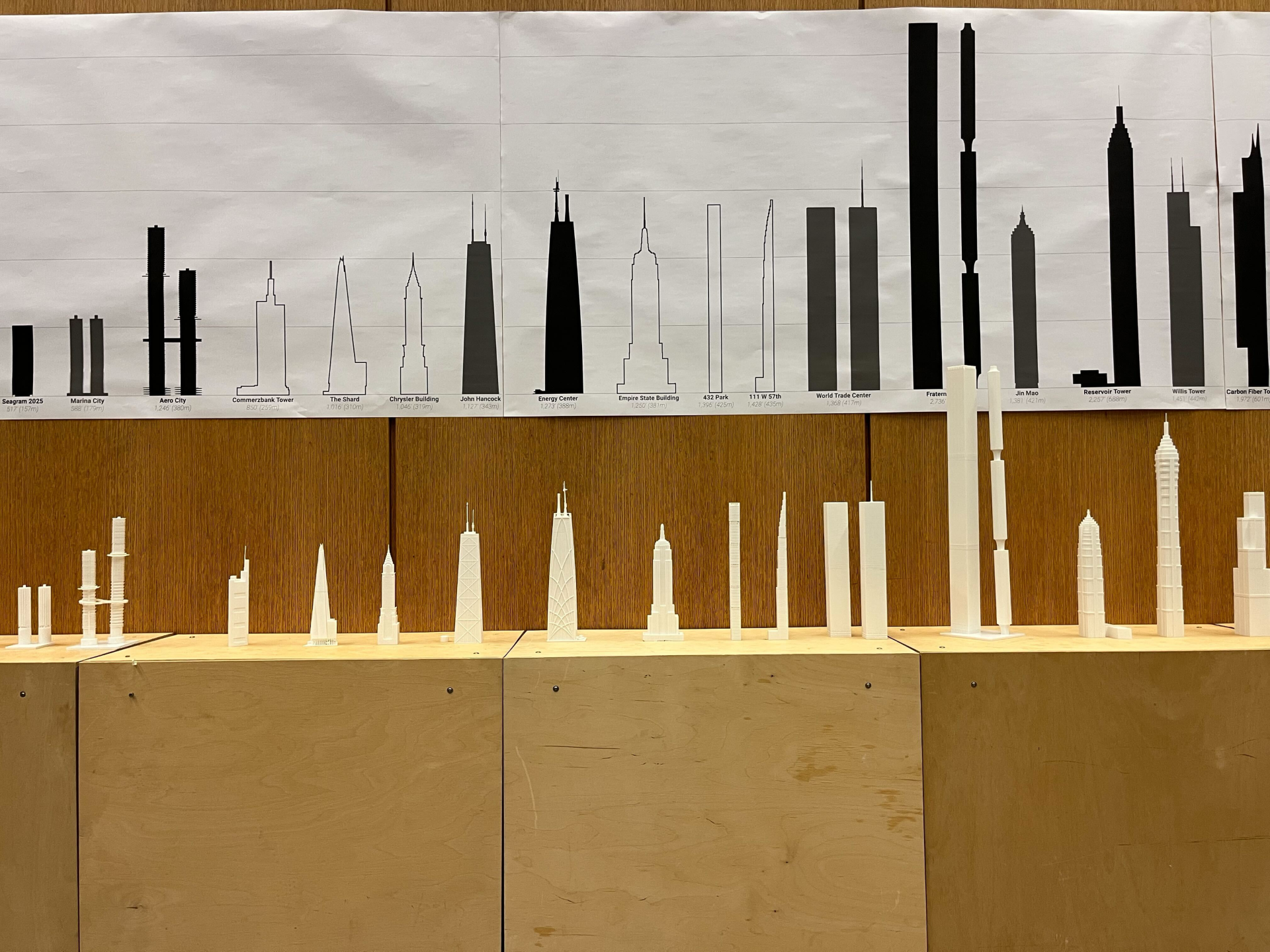
Students began by studying an existing tower in depth, analyzing its structural, mechanical, façade, and circulation systems. Using this research as a starting point, they then developed speculative redesigns that explored how these systems might evolve through new technologies and future-forward design strategies.
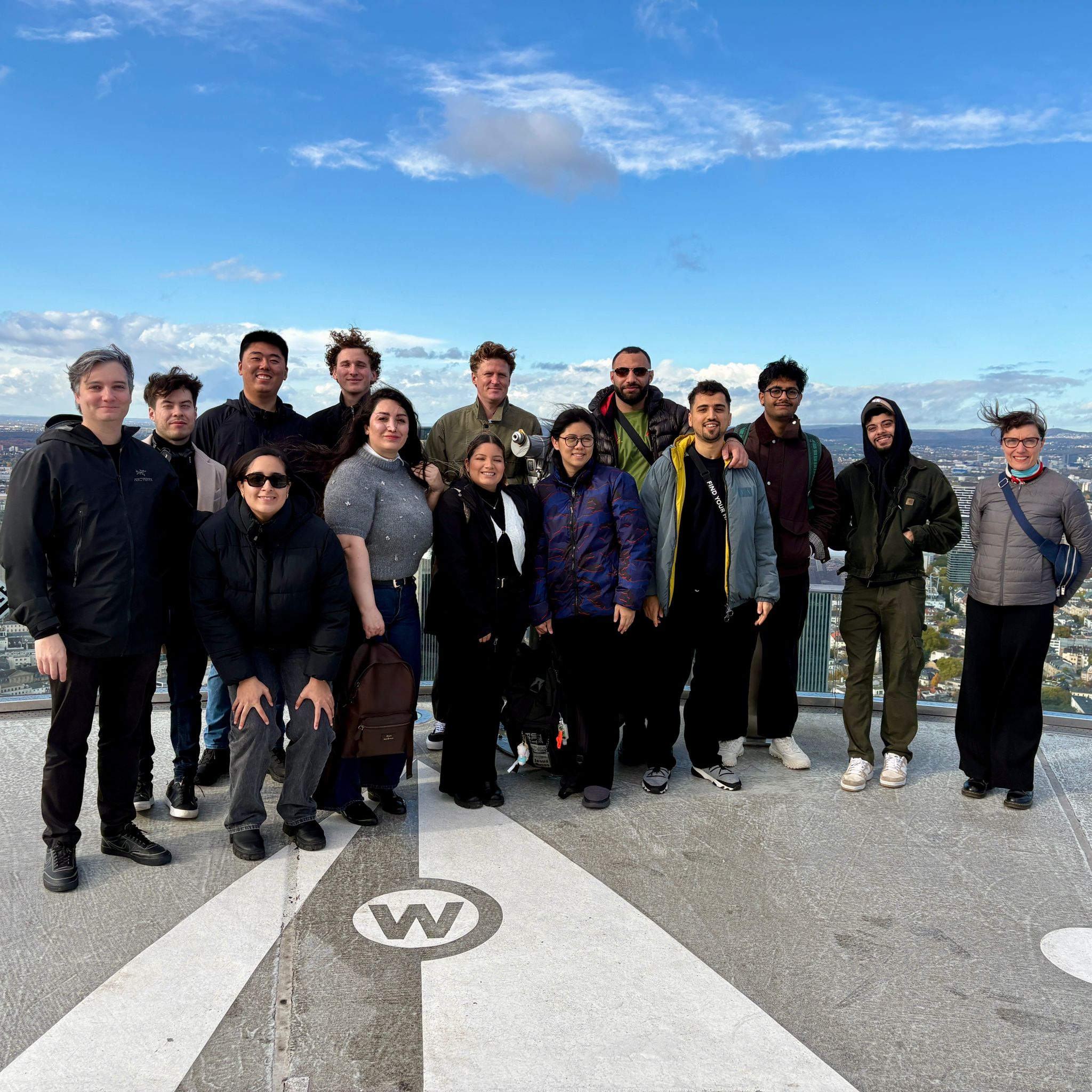
As part of this studio, students also traveled to Paris and Germany through the CVU 2025 Traveling Studio Award, visiting major architectural projects and the TK Elevator Test Tower to study emerging vertical transportation technologies firsthand.
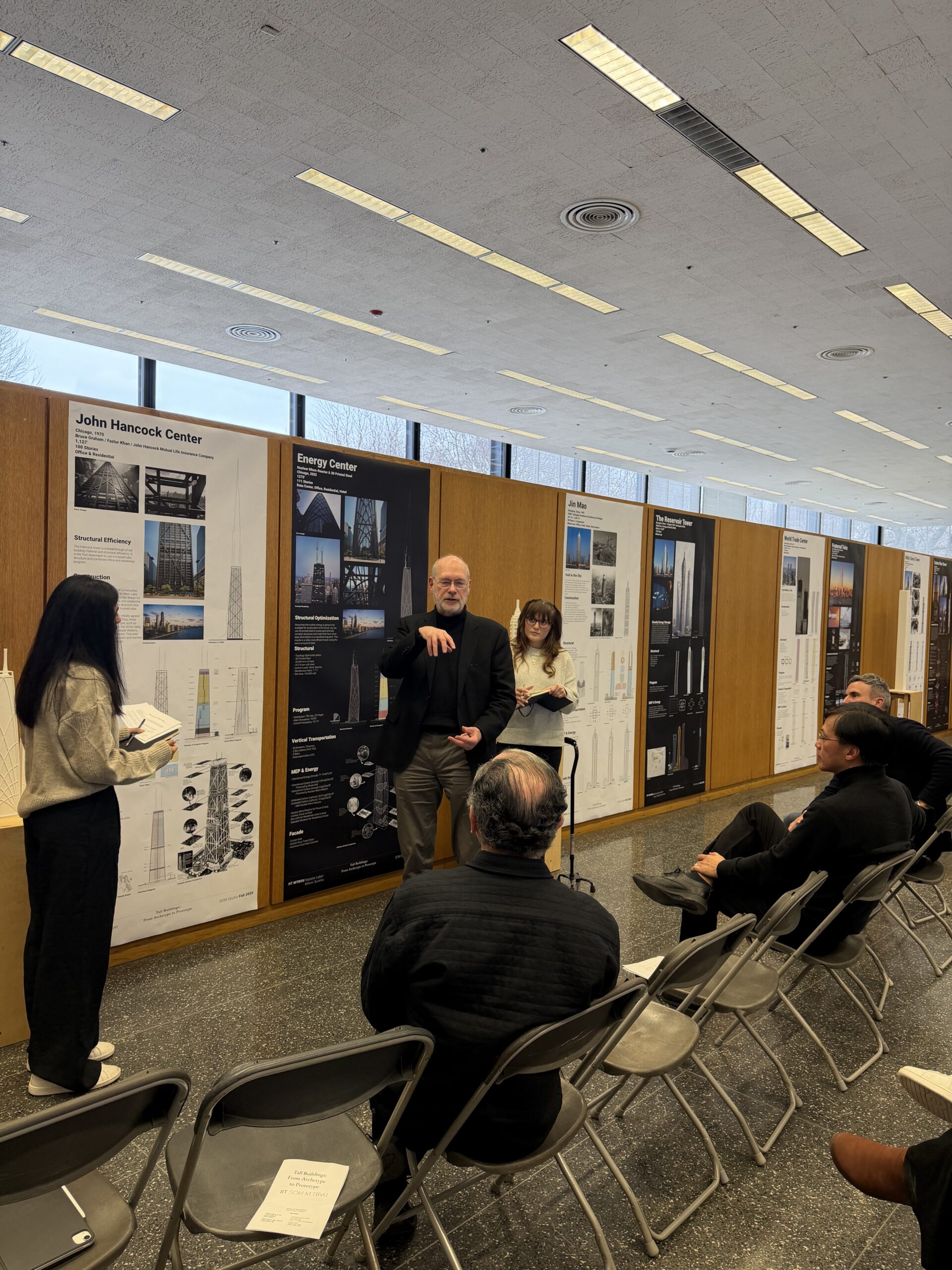
The final review jury included Luke Leung, PE, Principal at SOM; Jenna Dezinski, Associate at BIG; Reed Kroloff, Dean of the IIT College of Architecture. Joined by SOM studio faculty Scott Duncan, AIA, LEED AP, Partner at SOM; Jason Fisher, AIA, Studio Head at SOM; and Jorge Rovira, AIA, Studio Head at SOM, William Baker, PE, SE Consulting Partner, SOM
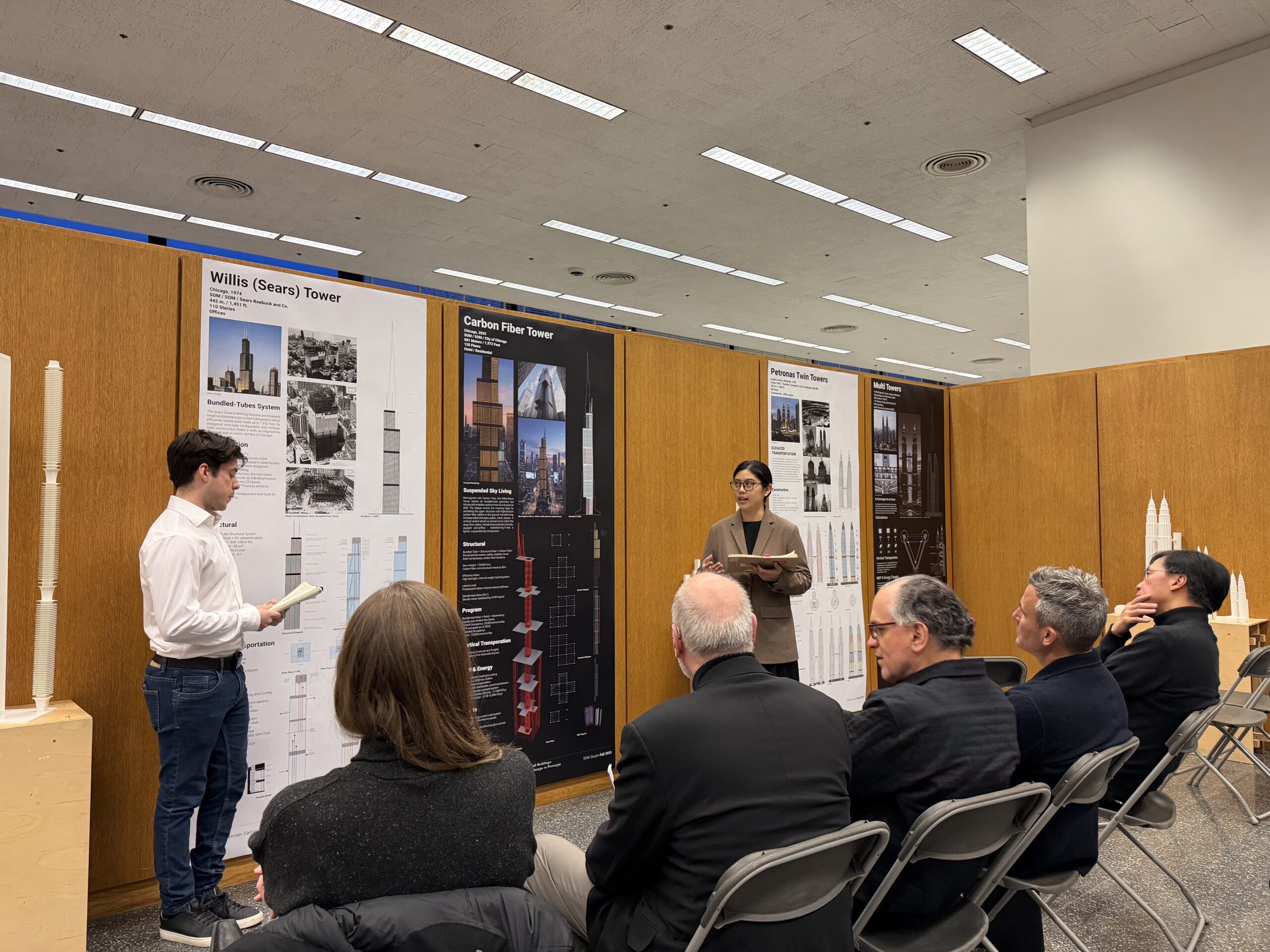
Hannah Key and Zach Rojas present their final project, Carbon Fiber Tower, a reimagining of the Willis (Sears) Tower using carbon fiber structural systems.
Featured Projects
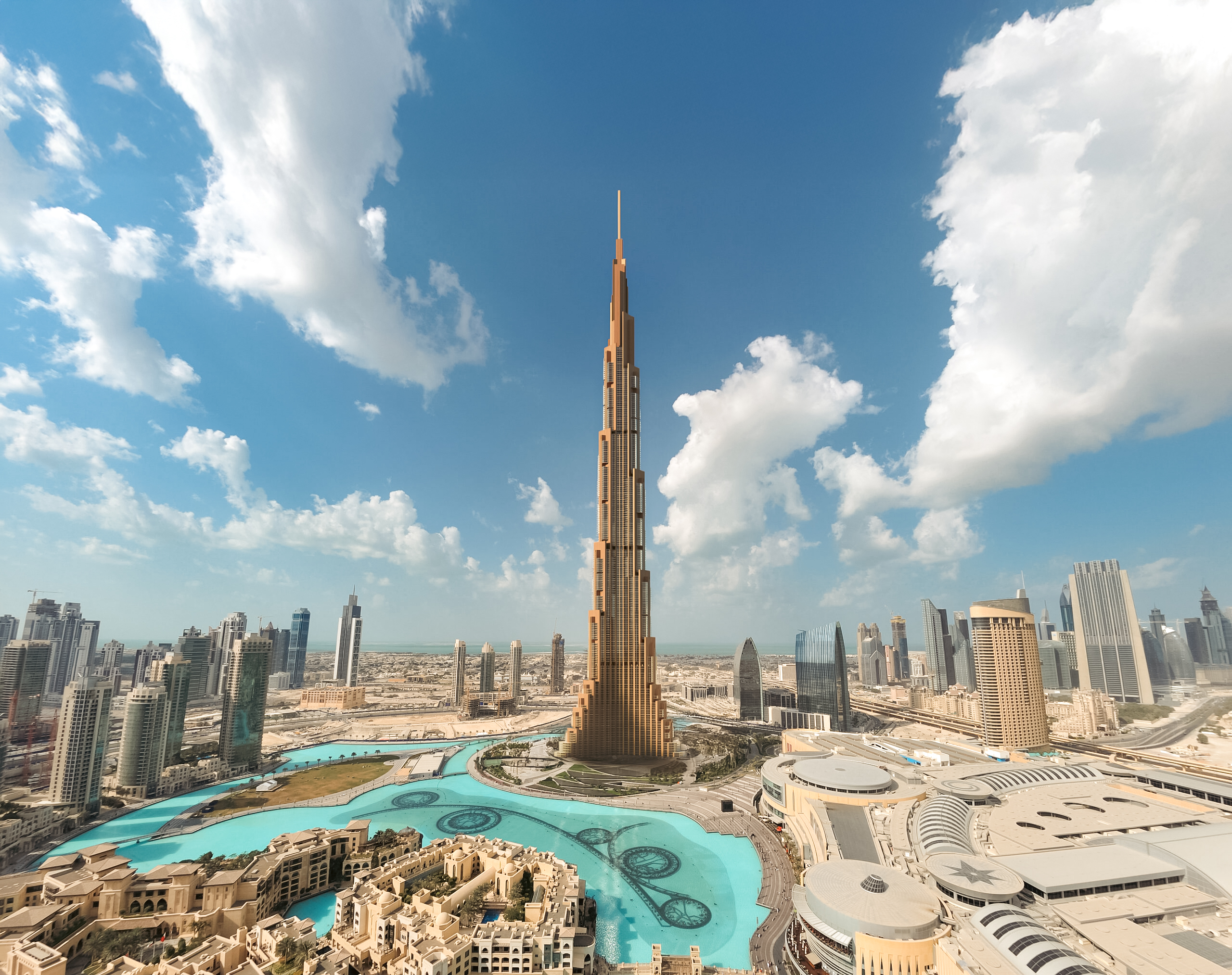
The Burj Model-T(imber) (2,717’) by Chanyoung Jeong and Daniel Turel looks at how the Burj Khalifa’s iconic form could be reinterpreted using mass timber and hybrid structural systems, exploring what stays, what adapts, and what becomes possible when you push engineered wood to its limits.
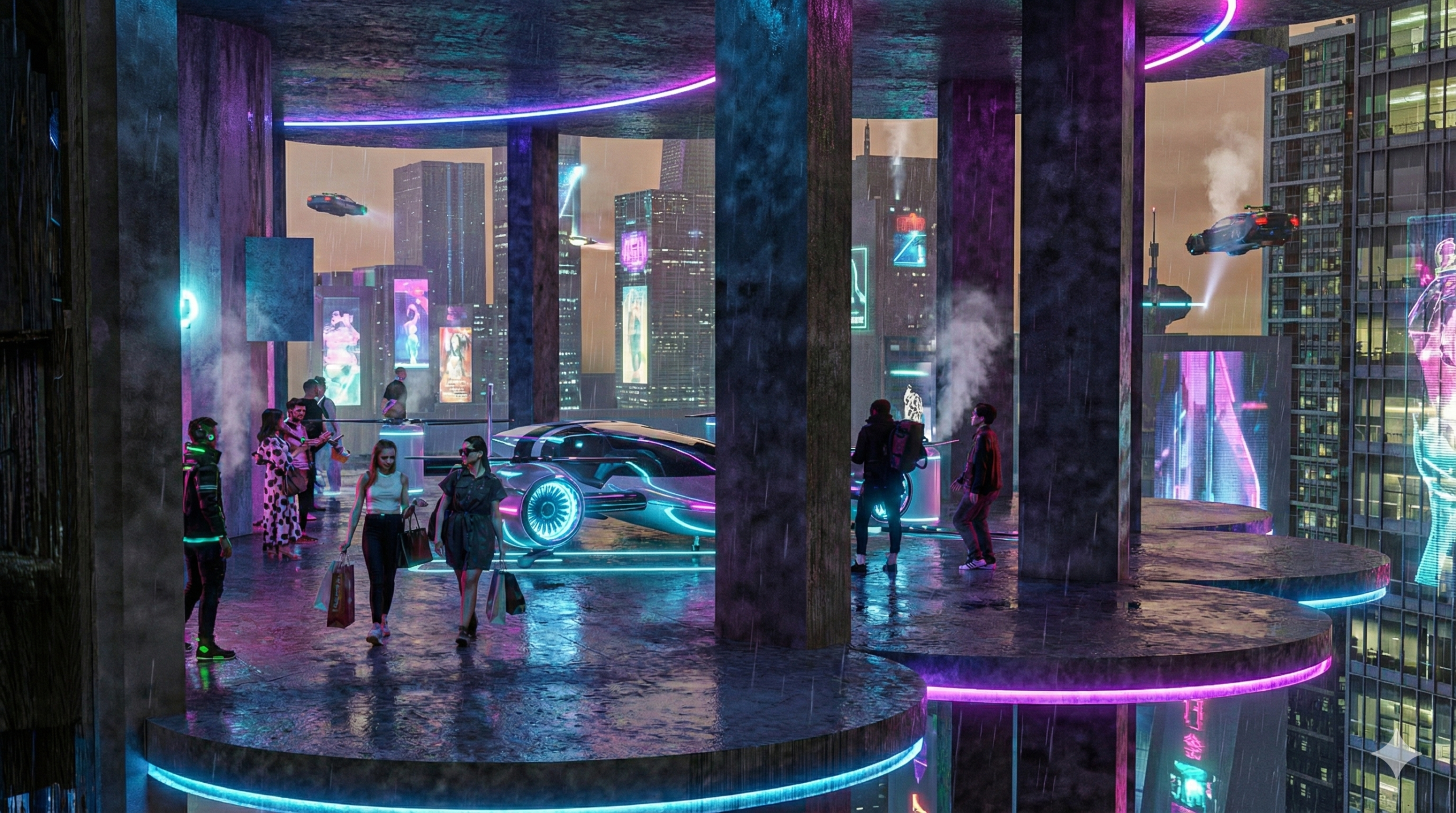
Aero City (588’) by Chirag Jethwa and Elina Bakhshalipour is the future Marina City was always pointed toward: a vertical district where living, logistics, and the sky operate as one. Its EMF Core catches and slows orbital cargo, feeding a continuous stream of goods into automated vertical networks. Drone ports, aerial corridors, and river docks fuse into a tri-modal urban hub. Residents live inside a tower that serves not just itself, but all of Chicago.
MTBVU Courses with Dr. Antony Wood
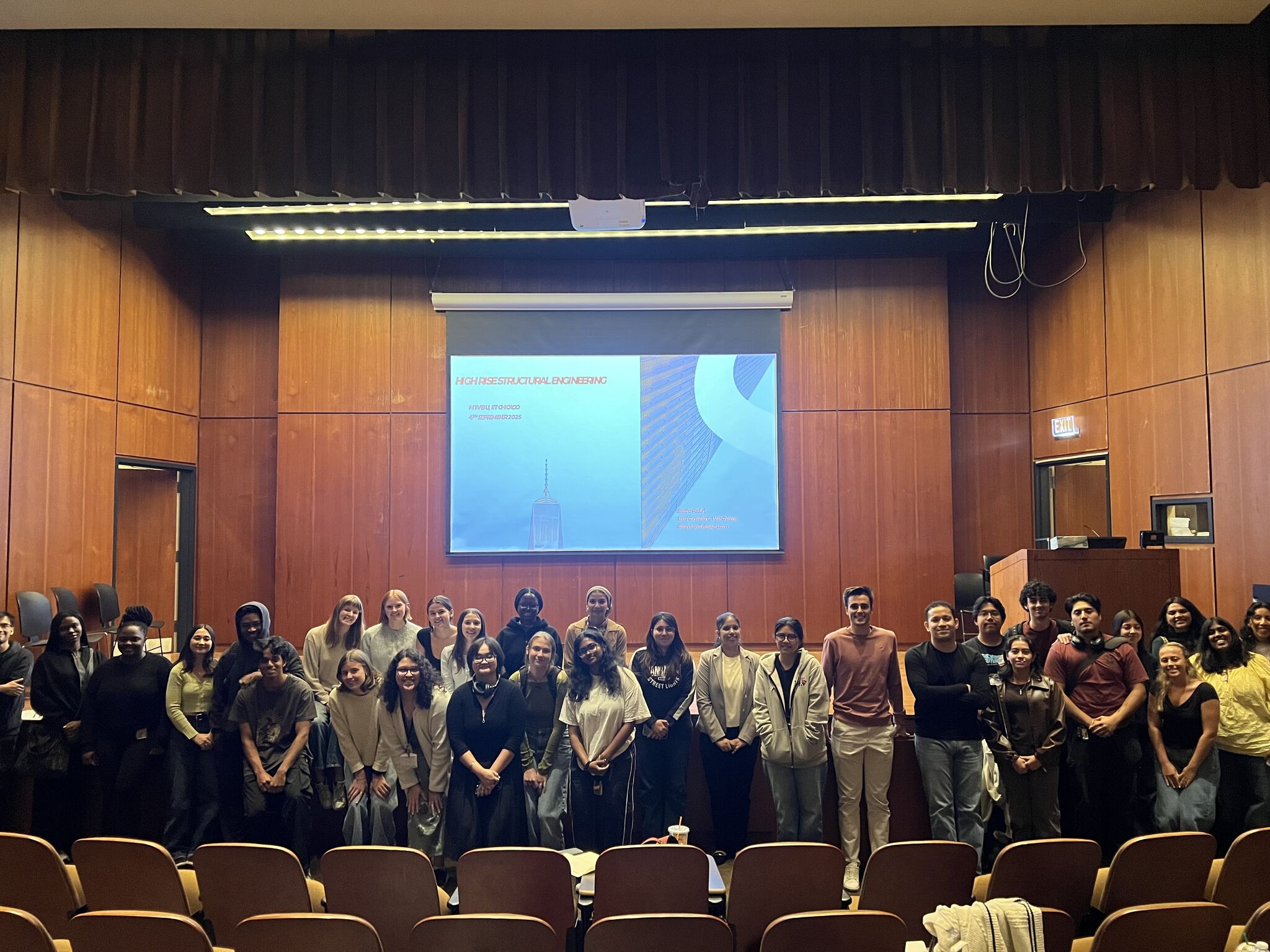
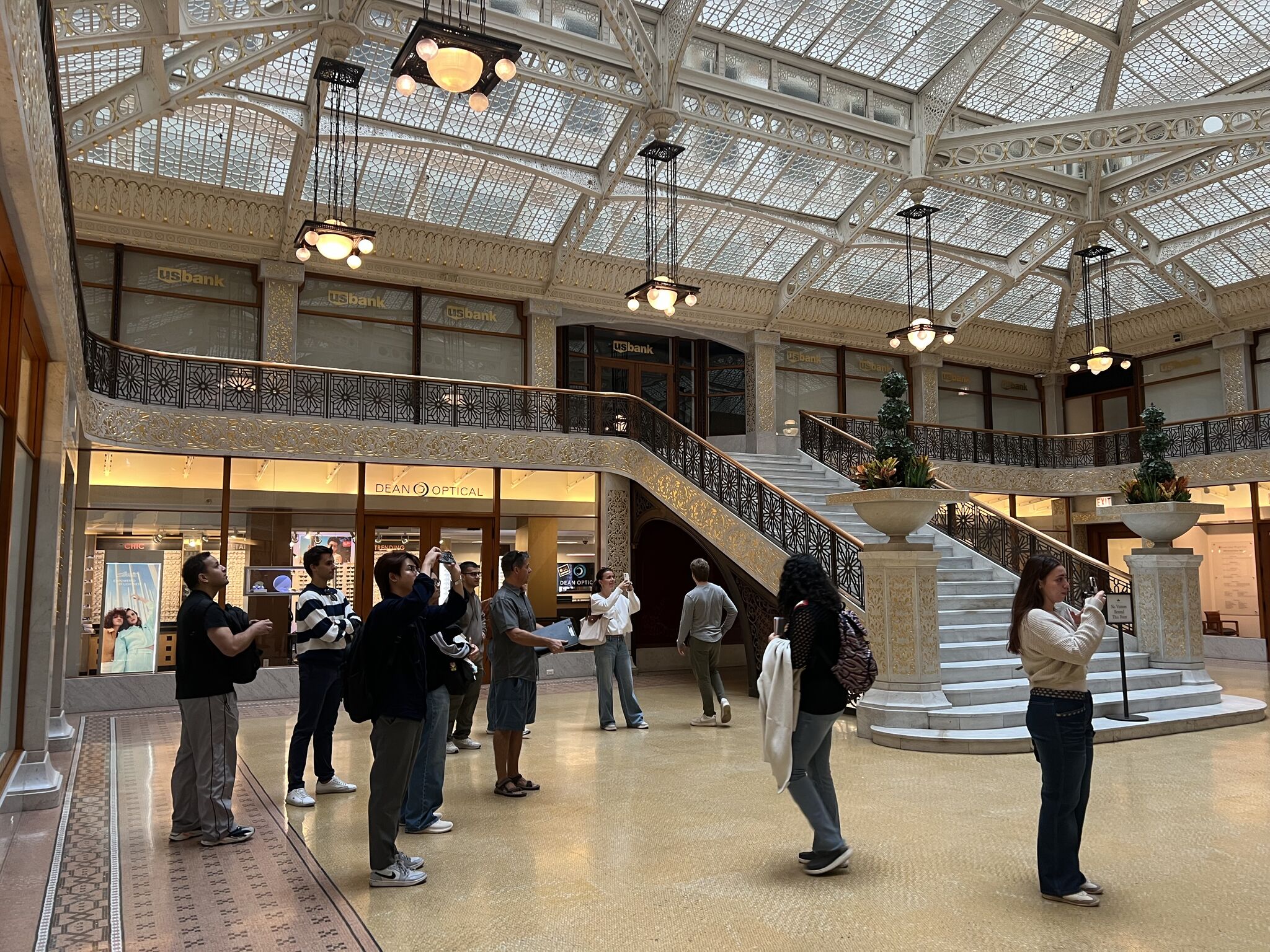
The semester also featured the Tall Technologies I Lecture Series and Talking Tall II, both organized by Antony Wood and Kristin LaSorsa, which brought leading professionals into the classroom to share insights from their projects and careers. Talking Tall I, primarily led by Antony Wood with several guest lecturers throughout the semester, focuses on the principles of tall buildings, helping students understand their history, development, and future. One highlight of the course was a walking tour of historic skyscrapers in downtown Chicago, where students visited a curated selection of notable buildings from different time periods, offering a firsthand look at the architectural and structural evolution of the Chicago skyline.
For weekly updates from the program, including summaries of guest lectures and other MTBVU activities, follow the MTBVU LinkedIn page.
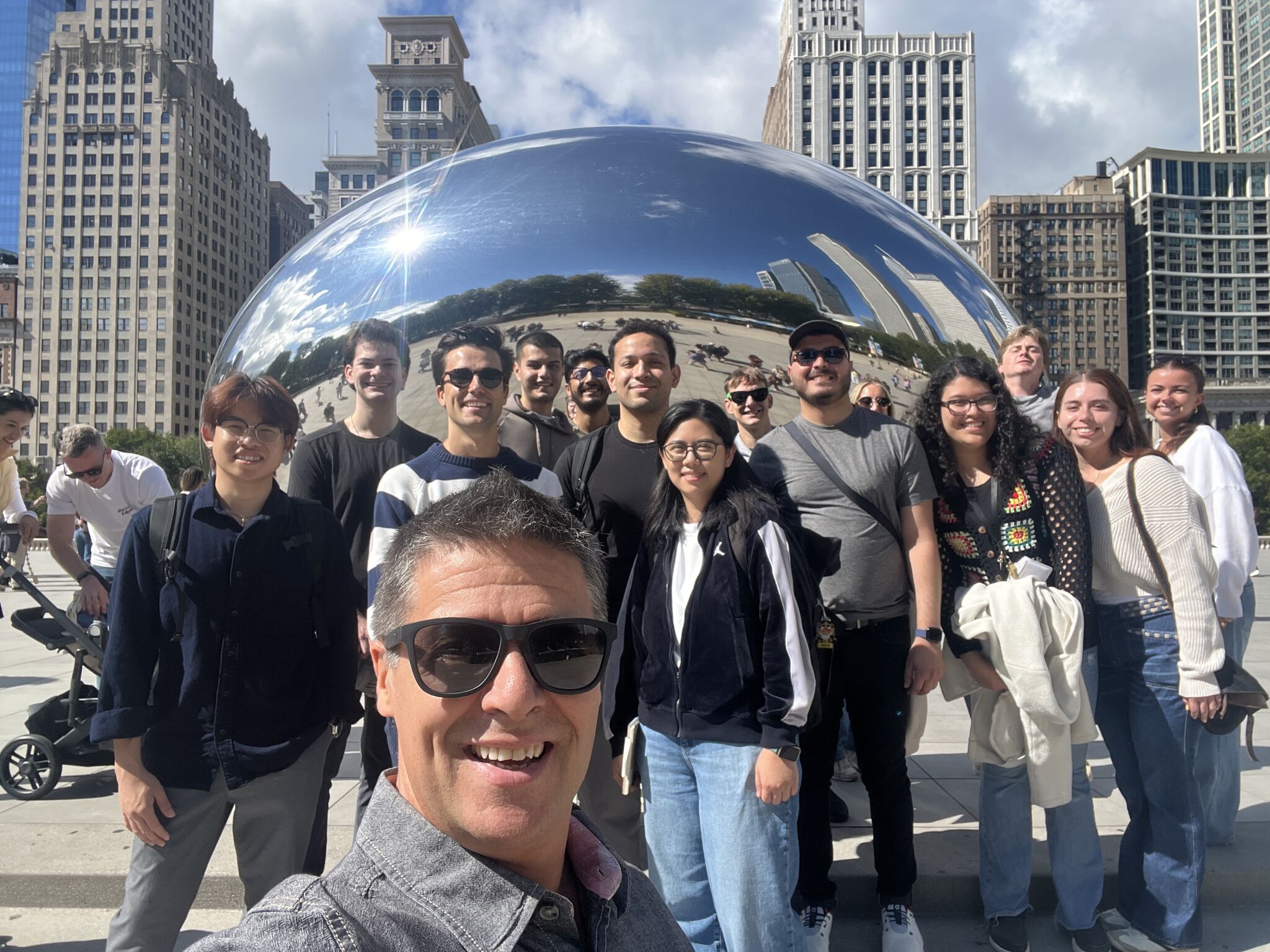
Talking Tall I students during their Chicago skyscraper walking tour with Dr. Antony Wood.