


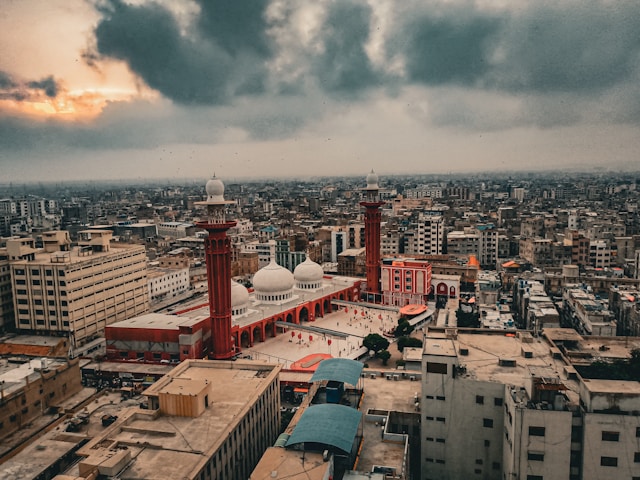
The government of Pakistan is considering a broader shift toward high-rise urban development as officials seek to address housing shortages, limit urban sprawl, and reduce pressure on agricultural land surrounding the country’s major cities.
The discussion emerged during a government meeting on housing sector reform chaired by Prime Minister Shehbaz Sharif, where officials outlined plans to encourage “high-rise buildings and vertical expansion” as part of a broader effort to modernize urban planning practices and address housing.
Pakistan currently faces an estimated housing shortage of roughly 10 million units, while rapid urbanization has intensified strain on infrastructure, transportation systems, and land resources. According to UN-Habitat data referenced during the discussions, the country’s urban population grew from approximately 43 million to 75 million between 1998 and 2017, contributing to increasingly fragmented and unplanned urban growth.
Historically, much of the country’s residential development has relied on low-rise, plot-based housing patterns. Outside of Karachi, high-rise residential development remains relatively limited compared to neighboring countries and Gulf cities that have embraced denser vertical growth models over recent decades.
Alongside encouraging taller development, the government is also considering reforms aimed at digitizing and regulating the housing sector to improve transparency and attract investment. Officials discussed new oversight mechanisms, streamlined approvals, and potential “one-window” systems intended to simplify processes for developers and buyers while strengthening accountability across the real estate sector.
Read more at Arab News.