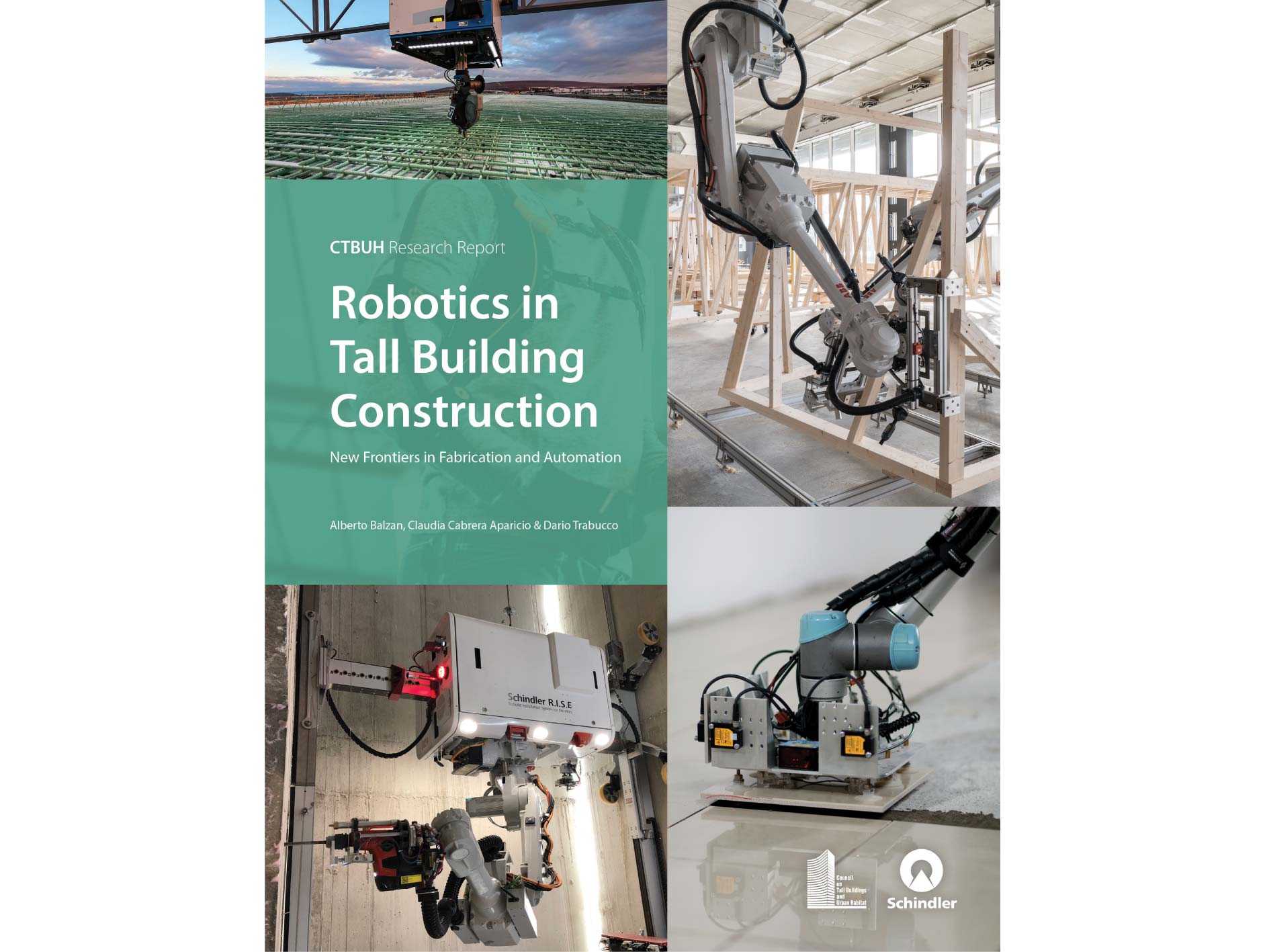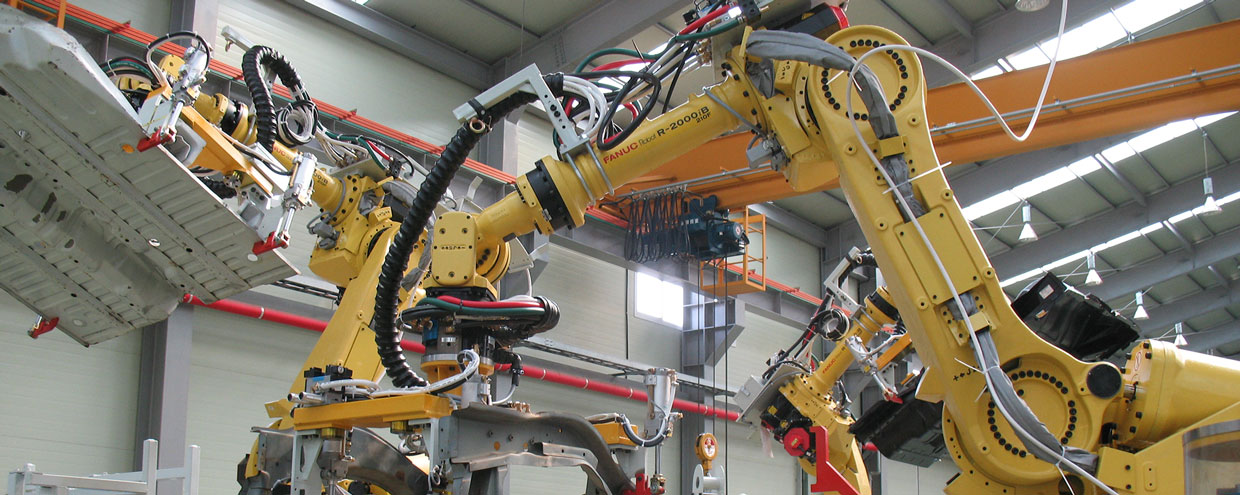
The construction industry was routinely identified as one of the slowest to adopt technological advances. Yet the need to rapidly construct new buildings for a growing urban population, counteract an aging workforce and high labor costs, and reduce on-site waste all pointed toward the advantages of automating construction. Through a historical review, comprehensive cataloging of both conceptual and realized industrial robotic concepts and techniques, and a series of robust case studies, this research examined the future of this emerging field, identifying both the incentives for adoption and the obstacles faced by the construction industry.
Robots had proven highly effective in performing tasks that were repetitive, required high levels of precision, or involved significant risk. While the size of the human workforce in the construction sector had declined, new jobs were being created in the design, fabrication, and operation of such robotic systems. Automation and robotics had already been applied in the construction of buildings across a range of heights, typologies, and levels of complexity.
From simple automation to autonomous construction, and from drone-based assembly to human-enhancing exoskeletons, the full spectrum of possibilities—including government, private-sector, and academic research, as well as real-world applications—was explored in detail.
Expert Advisers
Julian Leland Bell, UPS, Atlanta
Shajay Bhooshan, Zaha Hadid Architects, London
Christopher James Botham, Silverstein Properties, New York City
Ilkay Can-Standard, GenX Design & Technology Consulting, New York City
Niccolò Dambrosio, ICD University of Stuttgart, Stuttgart
Antonio Di Lallo, City University of New York, New York City
Nicolas Früh, ITKE Stuttgart University of Stuttgart, Stuttgart
Fabio Gramazio, ETH Zurich, Zurich
Mikkel Kragh, University of Southern Denmark, Odense
Zachary Mollica, Architectural Association, Beaminster
Roberto Naboni, CREATE, Milan
Kiyoaki Okasita, Shimizu Corporation, Tokyo
Alphonso Peluso, Illinois Institute of Technology, Chicago
Mehemet Sakin, GenX Design & Technology Consulting, Istanbul
Bharath Sankaran, Scaled Robotics, Barcelona
Jeremy Searock, Advanced Construction Robotics, Pittsburgh
Alvise Simondetti, Arup, London
Christian Studer, Schindler, Lucerne
Hao Su, City College of New York, New York City
Thomas Van Glabeke, MX3D, Amsterdam
Massimo Visonà, 3D WASP, Venice
Ramon Elias Weber, MIT, Cambridge