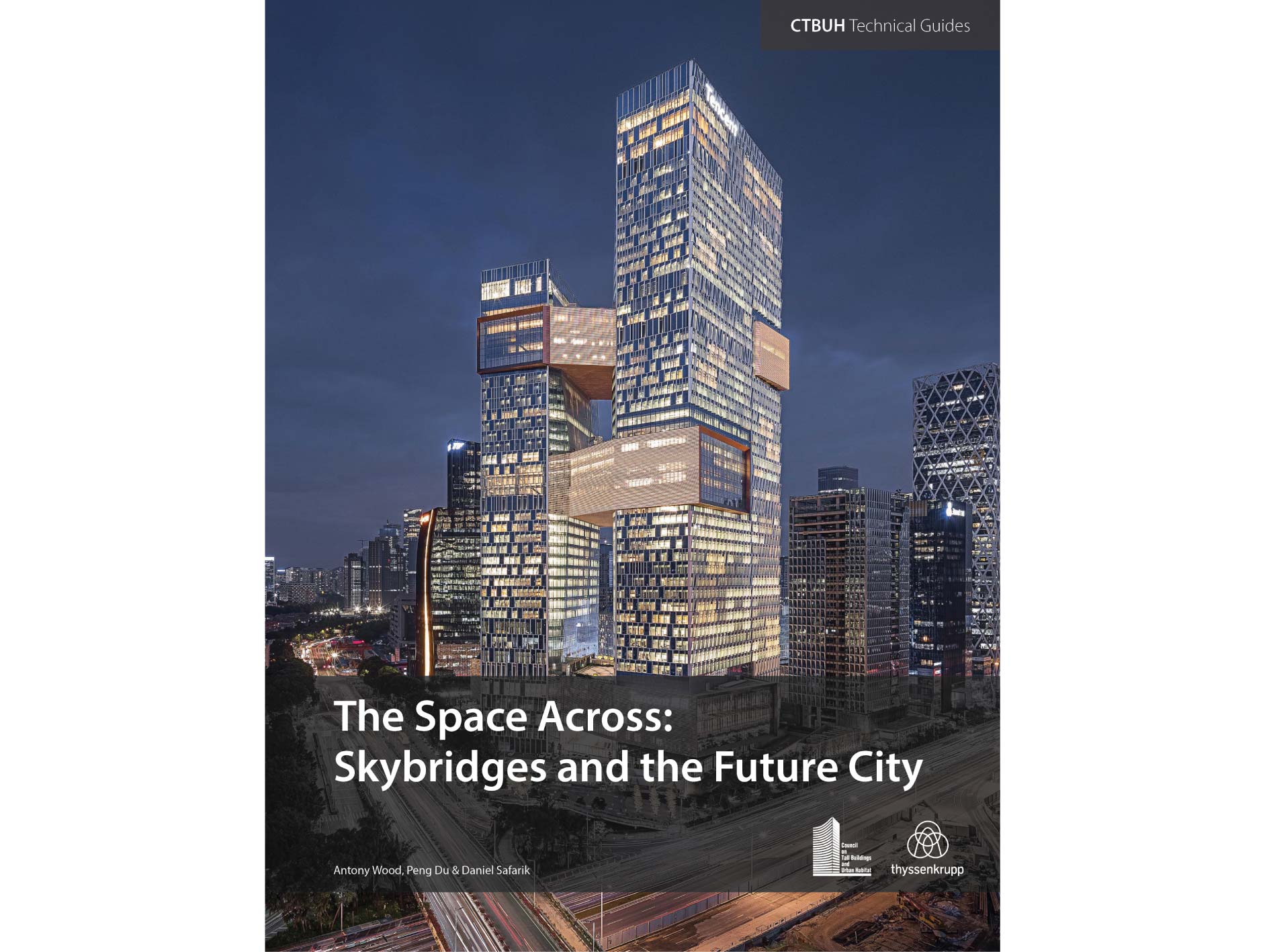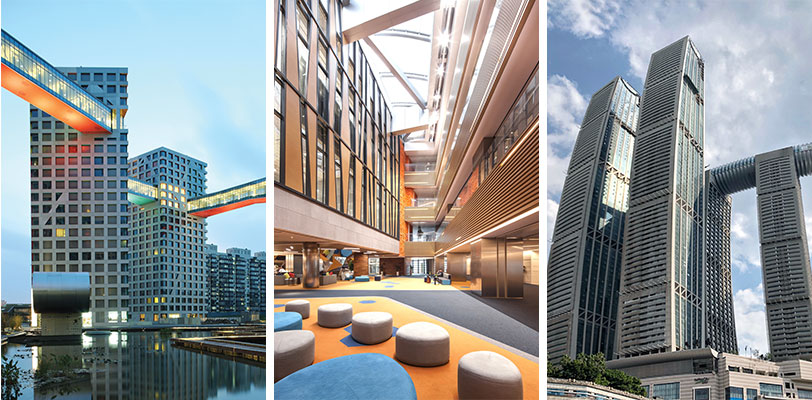
As many architects and visionaries have shown over a period spanning more than a century, the recreation of the urban realm in the sky through connections between buildings at height has demonstrated vast potential for the enrichment of cities. To many, it seemed nonsensical that although the twentieth—and now the twenty-first—century had clearly seen a push toward greater height and urban density in major urban centers, the ground or pavement level remained almost exclusively the sole physical plane of connection. As the world rapidly urbanized, greater thought needed to be given to how horizontal space could be developed at height. At the time, new transportation technologies and relatively recent structural engineering practices appeared to place horizontal habitat in the sky within reach. However, cultural, organizational, and jurisdictional obstacles remained. To overcome these barriers, a strong case needed to be made for the extensive benefits of skybridges in a much wider application than had been seen historically.
The purpose of this research project, kindly funded by thyssenkrupp Elevator, was to succinctly capture the state of the art in skybridge design and to put forward a set of principles for future development. The CVU held that it was likely more skybridges and greater horizontal development at height between tall buildings would emerge, particularly with the advent of ropeless elevator technology capable of operating multiple cabins within a single shaft and moving horizontally. However, there was no guarantee that future skybridge-linked projects—or cities—would be of high quality unless existing structures were rigorously analyzed and lessons were drawn from their performance. This research therefore marked an important milestone in the development of an urban space that had persisted through utopian visions and emerged as a practical, point solution in isolated cases, and was beginning to establish itself as a major design typology. The project sought to provide a framework for better understanding skybridges and improving their future application.